You Won't Believe What I Ate in Bologna — A Local's Secret Kitchen Revealed
Bologna isn’t just pasta and towers — it’s a hidden world of flavors most tourists never taste. I stumbled upon back-alley trattorias and family-run osterias where Nonna still rolls pasta by hand. The real magic? Dishes you won’t find on any menu online. From silky tortellini in brodo to slow-cooked ragù that simmers for 12 hours, this city feeds your soul. Let me take you beyond the tourist trails to where authenticity lives — one bite at a time.
The Heartbeat of Emilia-Romagna: Why Bologna Eats Differently
Bologna stands as the culinary crown jewel of Italy’s Emilia-Romagna region, a place where food is not merely sustenance but a way of life. Recognized by UNESCO as a Creative City of Gastronomy, Bologna carries a legacy built on centuries of agricultural abundance, artisan craftsmanship, and deep respect for tradition. Unlike flashier Italian destinations that cater to global tastes, Bologna remains fiercely loyal to its roots. Meals unfold slowly, ingredients are revered, and recipes are guarded like family heirlooms. This is a city where Sunday lunch can last five hours, and a well-made ragù is spoken of with the reverence others might reserve for art or music.
The region’s geography plays a crucial role in shaping its gastronomic identity. Nestled between the Apennine Mountains and the Po River plain, Emilia-Romagna enjoys a temperate climate and fertile soil, ideal for growing wheat, raising livestock, and cultivating vineyards. This natural bounty has given rise to some of Italy’s most celebrated ingredients: Parmigiano Reggiano, aged for a minimum of 12 months in temperature-controlled cellars; traditional balsamic vinegar from Modena, reduced slowly over wood fires and aged in wooden casks for years; and fresh egg pasta, made daily with soft wheat flour and golden yolks. These are not mere ingredients—they are the foundation of Bolognese cooking.
What truly sets Bologna apart is its commitment to the slow food philosophy long before the movement had a name. There is no rush here. A proper ragù alla bolognese, the city’s most iconic dish, simmers for at least six to twelve hours, allowing layers of flavor—beef, pancetta, carrot, celery, onion, wine, and milk—to meld into something deeply savory and profoundly comforting. This is not food designed for convenience. It is food made with patience, intention, and love. For visitors, embracing this rhythm is key to understanding Bologna’s soul. It’s not about ticking off dishes; it’s about savoring the process, the people, and the place behind every plate.
Off the Map: Finding Hidden Eateries in Plain Sight
The most authentic dining experiences in Bologna are rarely found in glossy guidebooks or atop search engine rankings. Instead, they hide in plain sight—behind the covered arcades of Piazza Maggiore, down narrow alleys near the university district, or tucked beneath centuries-old porticoes that stretch for miles. These are not tourist traps with laminated menus in five languages. They are unassuming trattorias and neighborhood osterias where locals gather daily, where the menu changes with the season, and where the kitchen operates on instinct rather than Instagram trends.
Learning to spot these hidden gems requires a shift in perspective. First, look for signs of local life. A line of workers in aprons waiting for lunch is a strong indicator. So is a chalkboard menu written only in Italian, with no photos or English translations. These places don’t need to advertise. Their reputation is built on consistency, quality, and word of mouth. Another telltale sign is simplicity: plain wooden tables, mismatched chairs, and walls adorned with old wine labels or faded family photos. The absence of frills signals authenticity. When the focus is on the food, everything else fades into the background.
One of the best starting points for discovery is the Quadrilatero district, a historic market area that once served as Bologna’s commercial heart. Today, it remains a hive of activity, where butchers, cheesemongers, and produce vendors display their wares beneath medieval arches. Wander without a map. Let the smell of roasting meat or fresh bread guide you. Pause at a tiny enoteca where an elderly couple pours wine from unlabeled bottles. Duck into a backstreet bakery where nonnas queue for early-morning pastries. These are not curated experiences—they are real moments of daily life, accessible to anyone willing to look beyond the surface.
For travelers, the reward is not just a memorable meal but a deeper connection to the city. Finding a hidden trattoria feels like being let in on a secret, a small act of trust between visitor and community. In these spaces, food becomes a bridge—between cultures, generations, and strangers who become, for a brief moment, like family.
Breakfast Like a Local: Beyond Cappuccino and Croissants
For many travelers, breakfast in Italy means a quick cappuccino and a flaky cornetto at a bustling café. But in Bologna, mornings unfold differently. While coffee culture is alive and well, the true local breakfast experience goes beyond the standard café fare. It’s heartier, more intentional, and deeply tied to regional tradition. To eat like a Bolognese at dawn is to embrace food as fuel for the day ahead—not a rushed ritual, but a meaningful beginning.
One of the city’s best-kept morning secrets is the sgabei, a simple yet satisfying fried dough that originated in the countryside. Lightly golden and slightly crisp on the outside, sgabei are often split open and filled with prosciutto, squacquerone cheese, or even a slice of warm Parmigiano Reggiano. Found at small bakeries or street-side stalls in the early hours, they offer a savory alternative to the sweet pastries tourists often default to. Another local favorite is torta pasqualina, a savory pie made with chard, ricotta, and eggs, traditionally associated with Easter but enjoyed year-round in family kitchens and neighborhood bakeries.
What sets Bolognese breakfast apart is its unhurried nature. Unlike the grab-and-go culture common in other European cities, mornings here allow for pause. Office workers might linger over a second espresso. Retirees gather at corner bars to discuss the news over slices of cured meat and a glass of lambrusco. Even students, between lectures at the world’s oldest university, take time to savor a warm sandwich before class. This slower rhythm reflects a broader cultural attitude: food is not an interruption but an essential part of life’s flow.
For visitors, adopting this mindset can transform the travel experience. Instead of rushing to sightsee, consider starting the day at a local bakery, striking up a conversation with the vendor, or sharing a bench with a resident enjoying their morning bite. These small moments of connection, centered around food, offer a more intimate understanding of Bologna than any museum or monument ever could.
The Art of the Midday Meal: Why Lunch Is Sacred Here
In Bologna, lunch is not a break—it is an event. While much of the modern world treats midday meals as a necessary pause between tasks, in this city, lunch is a cornerstone of daily life. Offices close. Shops shutter. Families gather. The pace of the city slows, making space for one of its most cherished traditions: the long, multicourse meal centered around fresh, handmade pasta.
A traditional Bolognese lunch is a carefully orchestrated progression of flavors and textures. It begins with antipasti—cured meats like mortadella, coppa, and salame, served with chunks of Parmigiano Reggiano and perhaps a drizzle of aged balsamic. Next comes the primo, the first course, which is almost always pasta. This is where Bologna’s culinary mastery shines. Tortellini in brodo, delicate dumplings filled with pork, prosciutto, and Parmigiano, float in a clear, golden chicken broth. Each piece is hand-folded into a ring shape, said to mimic the navel of Venus—a symbol of love and nourishment. Then there is tagliatelle al ragù, wide ribbons of egg pasta coated in the region’s legendary meat sauce. Unlike the tomato-heavy versions found abroad, authentic ragù is rich but balanced, with a deep umami flavor developed through slow cooking.
The experience of eating such a meal in a no-frills trattoria is unforgettable. Imagine a small room with red-checkered tablecloths, a chalkboard listing the day’s offerings, and the hum of conversation in rapid Italian. The owner, perhaps a woman in her sixties, moves between tables with a steaming pot of broth. Time feels suspended. There is no checking of phones, no rush to the next appointment. Each course is served with care, each bite savored. Dessert might be a simple bowl of seasonal fruit or a small glass of alchermes, a bright red herbal liqueur. Coffee comes last, served strong and small.
For visitors, participating in this ritual is more than a meal—it is a cultural immersion. It offers a rare opportunity to slow down, to engage with the rhythm of local life, and to understand how food functions as both nourishment and connection. In a world that often feels too fast, the Bolognese lunch is a reminder that some things are worth taking time for.
Markets as Kitchens: The Role of Fresh, Local Ingredients
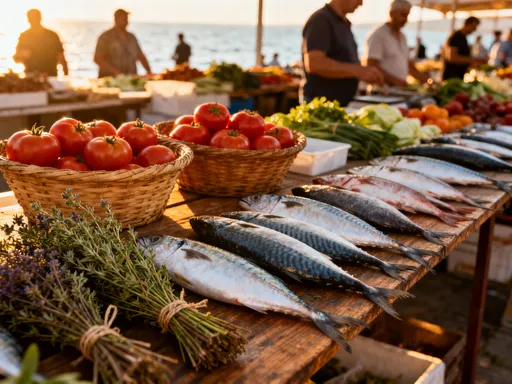
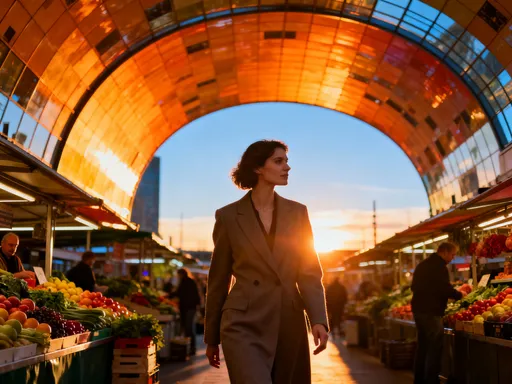
To understand Bologna’s cuisine, one must visit its markets—the beating heart of the city’s food culture. More than just places to shop, these vibrant spaces are where tradition, community, and quality converge. The Erbazi market, located just off Piazza delle Erbe, is a prime example. Here, under the shadow of ancient buildings, vendors display pyramids of seasonal produce: plump tomatoes in summer, porcini mushrooms in autumn, radicchio and citrus in winter. The air hums with the scent of fresh herbs, ripe fruit, and aging cheese.
What makes these markets special is who shops there. You’ll find professional chefs selecting artichokes for that night’s service alongside grandmothers choosing the perfect zucchini for their grandchildren’s dinner. This shared space blurs the line between home cooking and restaurant cuisine. Everyone demands the best, and vendors take pride in their offerings. A cheesemonger might explain the difference between a 24-month and 36-month Parmigiano Reggiano. A butcher might recommend a cut of beef ideal for slow braising. These interactions are not transactions—they are exchanges of knowledge, built on trust and mutual respect.
Seasonality is non-negotiable in Bolognese cooking, and the markets reflect this truth. Menus in even the finest restaurants change weekly, sometimes daily, based on what is fresh and available. A spring menu might feature asparagus risotto and fresh pea tortellini. In fall, you’ll find pasta with pumpkin and amaretti or wild boar ragù. This commitment to seasonality ensures peak flavor and supports local farmers, creating a sustainable food ecosystem that benefits everyone.
For travelers, a visit to a local market is one of the most rewarding ways to engage with Bologna’s culture. It offers a chance to see, touch, and taste the ingredients that define the region’s cuisine. It invites curiosity and conversation. And perhaps most importantly, it reminds us that great food begins long before it reaches the plate—with the soil, the seasons, and the hands that cultivate it.
Dinner Secrets: Where Locals Go After Sunset
As the sun sets over Bologna’s terracotta rooftops, a new rhythm begins. The city doesn’t shut down—it transforms. Dinner in Bologna is more relaxed than lunch, often preceded by aperitivo, a pre-dinner ritual that blends socializing with light snacking. But here, even aperitivo has a regional twist. Instead of the ubiquitous spritz, many locals opt for a glass of Lambrusco, the lightly sparkling red wine from Emilia-Romagna. Dry, fruity, and refreshingly effervescent, it pairs perfectly with salty cured meats and sharp cheeses.
The real magic of Bolognese evenings unfolds in the city’s modest osterias—intimate wine bars where the focus is on simplicity and authenticity. These are not trendy spots with loud music and cocktail lists. They are low-lit, family-run spaces where the owner knows your name by the second visit. The menu, if there is one, is often handwritten and changes daily based on what the cook found at the market that morning. There might be only three pasta options, one main course, and a rotating selection of local wines poured directly from the barrel.
One of the best ways to eat in these places is to simply ask, “What’s good tonight?” This small phrase opens the door to something special—a dish not listed on any menu, perhaps a leftover ragù repurposed into a rich lasagna, or a batch of handmade cappelletti made that morning. These are the moments when travelers experience the true generosity of Bolognese hospitality. Food is not just served—it is shared, with pride and warmth.
Dinner here is not about extravagance. It’s about connection. Friends linger over glasses of wine. Couples share stories. Strangers strike up conversations at the bar. The meal might end with a slice of zuppa inglese, the region’s version of trifle, or a small plate of dried figs and nuts. There is no rush. The night unfolds at its own pace, guided by the pleasure of good food and good company.
Cooking with Nonna: A Taste of Tradition Passed Down
One of the most profound ways to experience Bologna’s food culture is not in a restaurant, but in a home. Several local organizations and cooking schools offer opportunities for visitors to join a family in their kitchen, learning to make pasta by hand while hearing stories passed down through generations. These experiences are not performances—they are real moments of cultural exchange, where food becomes a language of its own.
Imagine sitting at a worn wooden table, flour dusting your fingers, as a grandmother teaches you to roll out tagliatelle with a long wooden pin. She doesn’t measure ingredients. She goes by feel, by memory, by the way the dough should look and respond. As you work, she shares stories—of her childhood during the war, of her wedding day, of the first time she made ragù for her husband. The kitchen fills with laughter, the scent of simmering sauce, and the warmth of human connection.
These moments are priceless. They go beyond technique. They reveal the emotional heart of Bolognese cooking—the idea that food is love made tangible. Every fold of a tortellino, every stir of a pot, carries intention and memory. Recipes are not just instructions; they are heirlooms, vessels of identity and belonging. For visitors, participating in this tradition is deeply moving. It fosters a sense of inclusion, of being welcomed into a family, even if only for an afternoon.
And when the meal is finally served—simple, honest, and made with hands that have shaped pasta for decades—the act of eating becomes an act of gratitude. You’re not just tasting food. You’re tasting history, care, and the enduring power of tradition.
Conclusion
Bologna’s true flavor isn’t in guidebooks — it’s in the quiet corners where food is love made edible. By stepping off the beaten path, travelers don’t just eat well — they belong, if only for a meal. Let your curiosity lead you, and let your stomach guide the way. In a city where every dish tells a story, the most memorable ones are shared, not searched for. Whether you’re sipping Lambrusco under a medieval arcade, learning to fold pasta from a woman who’s done it for sixty years, or discovering a hidden osteria where the owner remembers your name, Bologna offers more than cuisine — it offers connection. And in that connection, you find not just the soul of the city, but a deeper understanding of what it means to nourish both body and spirit.