What I Discovered in Mombasa’s Hidden Public Spaces Will Blow Your Mind
You know that feeling when you step off the plane and the air itself tells you, this place is alive? That’s Mombasa. But forget the beachfront resorts—what truly got me was the city’s soul, pulsing in its public spaces. From bustling market squares to quiet seaside benches where elders sip tea at dawn, these spots are where real life unfolds. I didn’t just visit Mombasa—I connected with it. And if you’re chasing authenticity, you gotta see it through this lens.
First Impressions: Beyond the Beaches
Arriving in Mombasa is like stepping into a living mosaic. The moment you leave the airport, the city greets you with a symphony of honking matatus, the scent of grilled maize, and a kaleidoscope of kanga fabrics flapping in the coastal breeze. For many travelers, the journey ends at the resort gates, where infinity pools and white sands promise relaxation. Yet beyond those manicured lawns lies a different rhythm—one shaped by shared benches, shaded walkways, and open-air plazas where the heartbeat of the city is most audible.
The contrast between the tourist experience and the lived reality of Mombasa’s residents is striking. While brochures highlight snorkeling trips and spice tours, the deeper story unfolds in the city’s everyday public spaces. These are not just functional areas for transit or commerce; they are stages for human connection, places where generations meet, ideas are exchanged, and culture breathes freely. What makes these spaces remarkable is not their grandeur, but their accessibility. They belong to everyone—children chasing kites, shopkeepers on break, elders recounting stories under acacia trees.
Understanding Mombasa through its public spaces shifts the traveler’s perspective from observation to participation. It invites you to slow down, to notice the woman balancing a basket of mangoes on her head as she laughs with a neighbor, or the group of teenagers playing football on a dusty lot bordered by laundry lines. These moments, fleeting yet profound, reveal a city that thrives on interaction. The true essence of Mombasa isn’t found behind resort walls—it’s in the open air, where life happens without script or performance.
The Heartbeat of the City: Busara Plaza and Its People
Nestled near Moi Avenue, Busara Plaza stands as one of Mombasa’s most vibrant civic hubs. Far from a sterile government square, it pulses with energy, serving as a crossroads for students, workers, and families. In the early morning, university students gather in small circles, debating politics or sharing notes between classes. By midday, civil servants take lunch breaks on stone benches, flipping through newspapers or chatting over packed meals. As the sun dips, parents arrive to pick up children from nearby schools, transforming the plaza into a lively reunion point.
What makes Busara Plaza more than just a convenient gathering spot is its role in fostering community dialogue. It’s not uncommon to see informal discussions unfolding on park benches—elders advising youth, neighbors resolving disputes, or local artists sketching portraits for passersby. Unlike highly regulated public spaces in some global cities, Busara allows for organic interaction. There are no strict rules about loitering or amplified sound; instead, there’s a natural order maintained by mutual respect and routine.
This plaza also reflects Mombasa’s unique urban identity—a blend of Swahili tradition, colonial history, and modern Kenyan life. The architecture, though modest, incorporates arches and open-air designs reminiscent of coastal heritage. Palm trees provide dappled shade, and the occasional call to prayer from a nearby mosque weaves into the ambient hum of conversation. For visitors, sitting quietly in Busara Plaza offers a rare opportunity to witness civic life in motion—not as a spectacle, but as an invitation to observe and, if welcomed, engage.
Urban researchers often cite Busara as an example of how public spaces can strengthen social cohesion. Unlike privatized malls or gated parks, it remains inclusive by design. No entry fee, no security checks, no dress code—just open access. This democratic nature ensures that people from all walks of life can claim a piece of the city. For the traveler, this means a chance to see Mombasa not as a destination, but as a living community with rhythms, routines, and relationships that endure beyond tourism.
Coastal Corners: Public Benches Along Tudor Creek
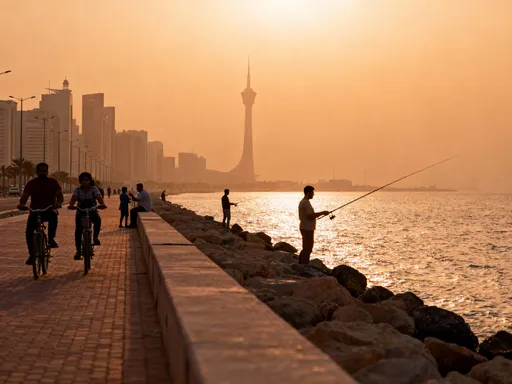
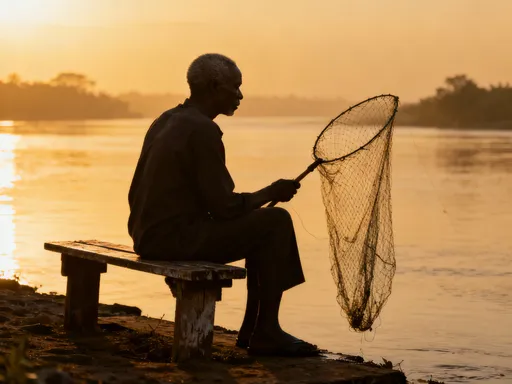
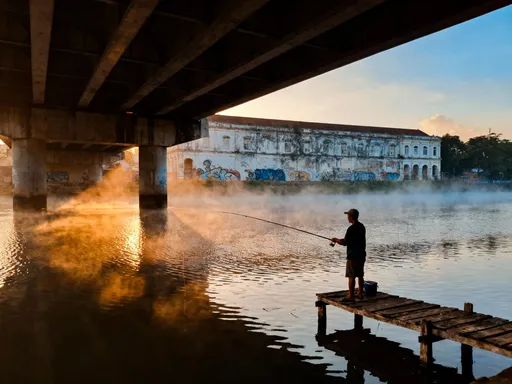
Stretching from Tudor to Shanzu, the waterfront benches along the creek offer some of Mombasa’s most poetic public experiences. These simple concrete or wooden seats, often tucked beneath casuarina trees, are overlooked by most tourists. Yet they serve as silent witnesses to the city’s daily rituals. At sunrise, fishermen mend their nets while the tide recedes, their hands moving with practiced ease. Retirees arrive with thermoses of tea, settling in to watch the water change color with the light. In the evenings, couples stroll hand in hand, and children chase seagulls along the shore.
What makes these benches special is their unassuming design. They don’t feature elaborate carvings or tourist signage—just functional seating placed where the view meets the breeze. This simplicity fosters intimacy with the environment. Sitting on one of these benches, you’re not separated from nature by railings or ticket barriers. You’re part of the scene. The sound of lapping water, the cry of gulls, the occasional splash of a jumping fish—all become part of the experience. It’s a reminder that public spaces don’t need grandeur to be meaningful.
These coastal corners also reveal the quiet resilience of Mombasa’s residents. Many of the regulars are older adults who have lived through decades of change—economic shifts, political transitions, environmental challenges. Yet they return each day, not out of habit alone, but because these benches offer something irreplaceable: a sense of continuity. In a world that often feels rushed and uncertain, the creek provides a steady rhythm. For the traveler, sharing this space—even in silence—creates a subtle bond with the city.
Urban planners have begun to recognize the value of such low-cost, high-impact public amenities. Unlike expensive waterfront developments that cater to luxury tourism, these benches serve the local population first. They require minimal maintenance and no formal programming, yet they generate immense social value. Their presence suggests a philosophy of urban design that prioritizes people over profit, stillness over spectacle. For visitors willing to sit and observe, they offer a masterclass in how small interventions can enrich daily life.
Markets as Social Arenas: The Case of Makadara and Kongowea
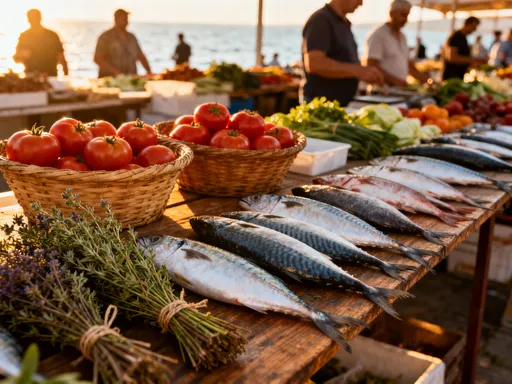
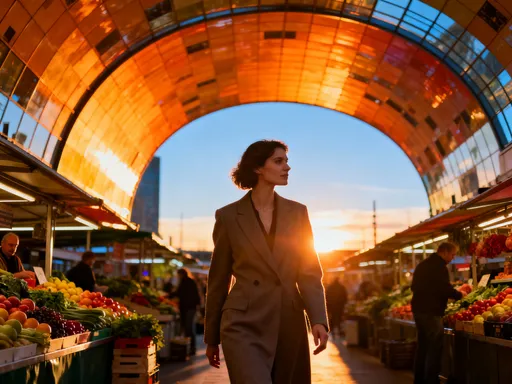
If Busara Plaza is the city’s civic heart, then Kongowea Market is its bustling lungs. More than just a place to buy vegetables or spices, this sprawling marketplace functions as a social theater where commerce, culture, and community intersect. Under the shade of corrugated iron roofs, vendors call out prices in Swahili, their stalls overflowing with pyramids of bananas, bundles of fresh herbs, and rainbow-colored fabrics. The air is thick with the scent of ripe mangoes, frying samosas, and the faint brininess of dried fish.
Walking through Kongowea is an immersive experience. Shoppers don’t move in straight lines; they meander, stopping to chat, bargain, or share a joke. A grandmother haggles over the price of tomatoes while her granddaughter tugs at her sleeve, pointing at a toy. Two women compare notes on which fish is freshest, their voices rising above the din. A man buys a bundle of sugarcane, handing pieces to children nearby. These interactions aren’t incidental—they’re integral to the market’s function. It’s not just about transactions; it’s about relationships.
Kongowea exemplifies how informal markets become essential public domains. Unlike supermarkets with their sterile aisles and self-checkouts, this market thrives on human connection. Vendors remember regular customers by name, inquire about their families, and sometimes extend credit during hard times. The layout, though seemingly chaotic, follows an internal logic—spice sellers cluster together, tailors set up near fabric stalls, food vendors gather near seating areas. This organic clustering fosters convenience and conversation.
From an urban planning perspective, Kongowea challenges Western notions of what a “proper” public space should look like. There are no benches, few trash bins, and limited shade. Yet it works—because it’s shaped by use, not design. People adapt: sitting on crates, sharing umbrellas, creating shade with makeshift tarps. This flexibility is a hallmark of resilient urbanism. For travelers, visiting Kongowea isn’t just about buying souvenirs; it’s about witnessing how communities build order from apparent chaos, how dignity and dignity coexist in the rhythm of daily trade.
Green Oases: Parks and Playgrounds in Residential Neighborhoods
Away from the city center, Mombasa’s residential neighborhoods host smaller but equally vital green spaces. Jaffreylia Park, for instance, may not appear on tourist maps, but it’s a cherished retreat for local families. On weekends, the grassy areas fill with children flying homemade kites, parents grilling meat over charcoal, and teenagers playing card games under trees. The playground, though modest, sees constant use—swings creak under the weight of giggling kids, and the slide bears the scratches of countless joyful descents.
These neighborhood parks serve as informal community centers. They lack the amenities of major urban parks—no fountains, no visitor centers, no guided tours—but they offer something more valuable: a sense of ownership. Residents don’t just use these spaces; they care for them. It’s common to see volunteers picking up litter, parents repairing broken swings, or elders sweeping pathways. This stewardship reflects a deep cultural value—the idea that public spaces are everyone’s responsibility.
Yet challenges remain. Some parks suffer from inconsistent maintenance, limited lighting, or encroachment by informal vendors. In certain areas, safety concerns keep families away after dark. Still, the demand for green space is evident. Wherever there’s a patch of grass or a shaded bench, people find a way to gather. Municipal playgrounds, even when fenced and basic, become hubs of activity during school holidays. The sight of a single basketball hoop drawing a crowd of young players speaks volumes about the need for accessible recreation.
What’s clear is that Mombasa’s residents value these oases not for their perfection, but for their possibility. They represent freedom—freedom to play, to rest, to be together without cost. For travelers, visiting such parks offers a rare glimpse into everyday family life. It’s not staged for visitors; it’s real, unfiltered, and warm. A smile from a mother watching her child on the swings, a shared laugh over a game of cards—these are the quiet moments that define community.
Design and Daily Life: What Makes a Public Space Work?
After spending weeks observing Mombasa’s public spaces, certain patterns emerge—features that consistently contribute to their success. First and foremost is shade. In a tropical climate, shaded areas are not a luxury; they’re a necessity. Whether from trees, awnings, or simple roof extensions, shade determines where people choose to gather. Equally important is seating. Benches, low walls, or even crates turned into impromptu chairs create opportunities for rest and conversation. Without them, public spaces become corridors rather than destinations.
Safety is another critical factor. Well-lit areas, clear sightlines, and the presence of regular users naturally deter crime. In Mombasa, spaces that feel alive—where people are always coming and going—tend to be the safest. This organic surveillance, often called “eyes on the street,” works better than fences or security cameras. Walkability also plays a role. Areas connected by pedestrian pathways, free from heavy traffic, encourage foot traffic and casual exploration.
Inclusivity is perhaps the most defining trait. The best public spaces in Mombasa welcome everyone—children, elders, vendors, commuters—without barriers. They don’t require money, membership, or status. This contrasts with many Western cities, where public spaces are often designed for specific demographics or aesthetic ideals. Mombasa’s approach is more pragmatic: if people use it, it works. The presence of informal activities—street chess, impromptu music, sidewalk hair braiding—further enriches these spaces, turning them into dynamic, evolving environments.
Urban designers can learn from this organic model. Instead of imposing rigid plans, Mombasa’s public spaces grow from the ground up, shaped by daily use. A bench appears because people sit there; a vendor cluster forms because customers gather. This bottom-up development fosters authenticity. For travelers, understanding these principles deepens appreciation—not just of the spaces themselves, but of the culture that sustains them.
Traveler’s Lens: How to Experience Mombasa’s Public Life Respectfully
Engaging with Mombasa’s public spaces requires a shift in mindset—from passive sightseeing to mindful presence. The first step is timing. Early mornings and late afternoons offer the most authentic glimpses of daily life. That’s when fishermen work the shore, elders gather in plazas, and markets begin to buzz. Midday heat drives many indoors, so plan accordingly. Using local transport, like matatus or tuk-tuks, not only reduces environmental impact but also immerses you in the city’s rhythm.
Observation is key. Instead of rushing through a market or snapping photos from a moving vehicle, take time to pause. Sit on a bench. Buy a snack from a vendor. Smile and say jambo—hello. These small gestures open doors. If you wish to take photographs, ask first. A simple nikoomba kuchukua picha? (“Can I take a photo?”) shows respect. More often than not, people will agree, sometimes even posing with pride.
Learning a few Swahili phrases goes a long way. Beyond greetings, words like asante (thank you), karibu (welcome), and langu ya kuchukua? (“How much does it cost?”) build rapport. They signal that you’re making an effort to connect, not just consume. Avoid intrusive behavior—don’t touch people’s belongings, don’t mock bargaining, and don’t treat public spaces like photo backdrops.
Most importantly, slow down. Authentic travel isn’t about checking off landmarks; it’s about presence. When you sit quietly in Busara Plaza, walk the creek at sunset, or share a smile with a market vendor, you’re not just visiting Mombasa—you’re becoming part of its story, even if just for a moment. That’s where the real magic lies.
Mombasa’s true magic isn’t in postcard views—it’s in the spaces where life happens unfiltered. These public corners tell stories of resilience, warmth, and community. For travelers willing to look beyond resorts, they offer not just discovery, but belonging. The city doesn’t just welcome you; it invites you to witness. And sometimes, that’s the most powerful journey of all.