Where Culture Meets Nature: Agana’s Untold Guam Story
Nestled at the heart of Guam, Agana isn’t just the capital—it’s a living blend of Chamorro heritage and tropical wonder. I was struck by how deeply culture shapes the land here, from sacred cliffs to ocean-carved caves. This isn’t just sightseeing; it’s experiencing nature through the eyes of tradition. If you’re looking for beauty with meaning, Agana delivers—quietly, powerfully, authentically.
Agana: More Than a Capital City
Agana, also known as Hagåtña, stands as the political and cultural heartbeat of Guam, a U.S. territory in the western Pacific. Though compact in size, its influence radiates across the island, shaping identity, governance, and daily life. Unlike capitals that prioritize modernity over tradition, Agana seamlessly weaves the past into the present. Historic churches stand beside community centers where elders teach native weaving, and open-air markets buzz with the scent of fresh coconut and roasted breadfruit. The city serves not only as an administrative hub but as a living archive of Chamorro resilience and continuity.
What sets Agana apart is its role as a gateway to Guam’s natural splendor. Just beyond its urban edges, the landscape transforms—lush hills roll into dense jungles, and coastal paths lead to secluded bays where the Pacific whispers ancient stories. The city’s location makes it an ideal starting point for travelers seeking both cultural immersion and outdoor adventure. Local families often begin their weekends with a visit to the Plaza de España, followed by a hike in the nearby cliffs or a picnic along the Pago River. This rhythm reflects a lifestyle where nature is not separate from life but woven into its very fabric.
For visitors, Agana offers more than convenience—it offers context. Understanding the city’s history deepens appreciation for the island’s natural landmarks. Once the site of Spanish colonial rule, Agana has endured wars, rebuilds, and cultural shifts, yet it has preserved its essence. The Chamorro people, Guam’s indigenous inhabitants, have maintained their language, customs, and spiritual connection to the land despite centuries of external influence. This enduring relationship between people and place is what makes Agana not just a destination, but a revelation.
The Spirit of the Land: Chamorro Connection to Nature
At the core of Chamorro identity is a worldview that sees nature not as a resource to be exploited, but as a relative to be respected. This philosophy, passed down through generations, shapes how the people interact with their environment. Mountains are not merely geological formations—they are ancestors. Rivers are not just waterways—they are life-givers. The ocean is not a boundary but a connector, linking islands, families, and histories. This deep spiritual bond informs daily practices, from fishing to farming, and from healing to storytelling.
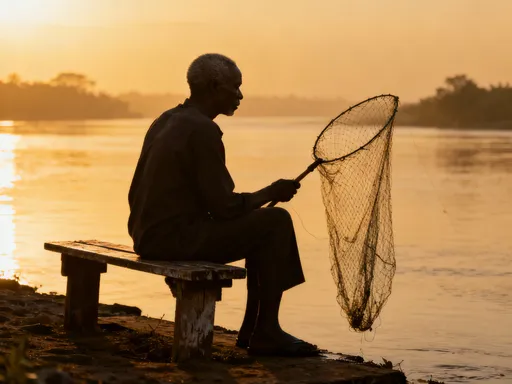
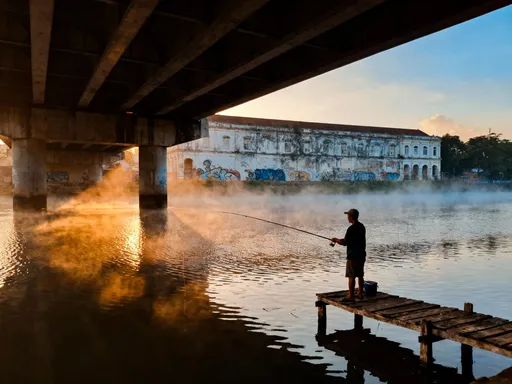
Traditional fishing, for instance, follows strict seasonal patterns and lunar cycles. Fishermen observe the phases of the moon to determine the best times for catching certain species, ensuring that marine populations remain balanced. They use hand-carved wooden traps and nets made from natural fibers, methods that minimize harm to coral reefs and juvenile fish. These practices are not relics of the past; they are still taught in coastal villages and practiced by families who rely on the sea for sustenance. The knowledge is shared orally, often during evening gatherings under the stars, where elders recount how their ancestors read the waves and winds like maps.
Similarly, medicinal plants are gathered with care and gratitude. The noni fruit, known for its immune-boosting properties, is harvested only when ripe, and always with an offering of thanks to the tree. Herbalists, or suruhanus, use plants like guava leaves for digestive health and turmeric for inflammation, drawing on centuries of botanical wisdom. These traditions are not isolated customs—they are part of a holistic understanding that human well-being is inseparable from the health of the land. When a forest is cleared or a reef damaged, it is not just an environmental loss; it is a cultural wound.
Latte Stones and Living Landscapes
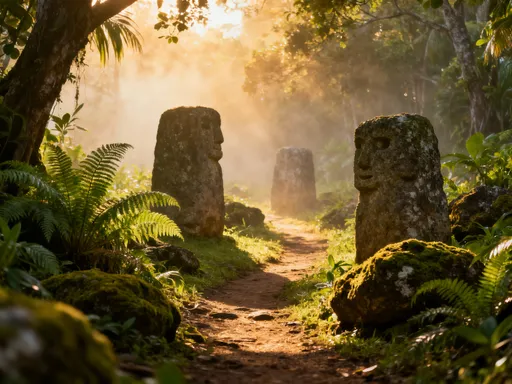
Scattered across Agana and its surroundings are the iconic latte stones—tall limestone pillars capped with disc-shaped stones that once supported raised houses in ancient Chamorro villages. These megaliths are more than architectural remnants; they are enduring symbols of a people’s connection to their land and ancestors. Found in parks, schools, and even private yards, latte stones serve as quiet reminders of a civilization that thrived in harmony with its environment long before colonial contact.
The construction of latte stones required profound knowledge of geology, engineering, and communal labor. Each pillar was quarried from coral limestone, shaped by hand, and transported using ropes and wooden rollers. Their placement was intentional—often aligned with celestial events or situated near freshwater sources, reflecting a deep understanding of both practical and spiritual needs. Today, sites like the Paseo de Susana and the Latte Stone Park preserve these structures, offering visitors a tangible link to Guam’s pre-colonial past.
But latte stones are not frozen in time. They are part of a living culture. Families gather near them during celebrations, children climb on them under watchful eyes, and artists incorporate their silhouette into modern designs. Some believe the stones hold spiritual energy, a belief that encourages respectful behavior around them. For the Chamorro people, the latte stones are not monuments to a lost era but affirmations of survival. They stand as proof that culture can endure, adapt, and continue to shape the landscape in meaningful ways.
Tumon Bay and the Coastal Heritage
Just a short distance from Agana lies Tumon Bay, a crescent of turquoise water framed by white sand and swaying palms. While often celebrated for its resorts and snorkeling spots, Tumon holds deeper significance as a site of cultural memory and ecological stewardship. Long before tourism, this coastline was a hub of Chamorro life—home to fishing villages, canoe builders, and navigators who mastered the open ocean using only the stars, waves, and bird patterns.
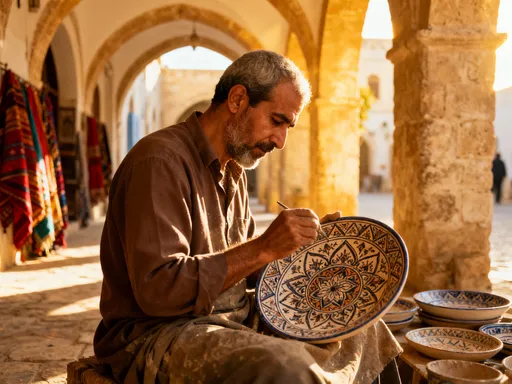
Traditional outrigger canoes, known as proas, were once central to life in this region. Crafted from breadfruit or mahogany wood, these vessels were designed for speed and stability, allowing fishermen to travel far offshore and return safely. The art of canoe building is still practiced today, with master craftsmen teaching apprentices how to shape hulls, weave sails from pandanus leaves, and balance the outrigger for maximum efficiency. These skills are not just technical—they are cultural, embodying patience, precision, and reverence for the sea.
Coastal farming also played a vital role in sustaining communities. Families cultivated taro in terraced wetlands and grew coconut, banana, and yam in fertile coastal soils. These practices required intimate knowledge of tides, rainfall, and soil composition. Today, community groups work to revive these agricultural traditions, creating demonstration gardens that educate both locals and visitors. Protected marine areas around Tumon Bay limit fishing and anchoring, allowing coral reefs to recover and fish populations to rebound. These conservation efforts are not imposed from outside but driven by local organizations that see environmental protection as a continuation of ancestral responsibility.
Inland Wonders: Jungles, Rivers, and Hidden Valleys
Beyond the coastline, Guam’s interior unfolds in a tapestry of emerald forests, rushing streams, and volcanic ridges. The hills surrounding Agana are part of a larger ecosystem that includes the Barrigada Highlands and the slopes of Mount Jumullong Manglo. These areas are not just scenic—they are sanctuaries of biodiversity and cultural memory. Hiking trails wind through dense foliage, where the air hums with the calls of native birds and the scent of wild ginger lingers after rain.
One of the most cherished destinations is the Pago Falls, a series of cascading waterfalls fed by the Pago River. The journey to the falls is as meaningful as the destination. As visitors follow the trail, they pass remnants of ancient pathways once used by Chamorro travelers and warriors. Interpretive signs share stories of how these routes connected villages and ceremonial sites, reinforcing the idea that movement through the land was always purposeful and sacred. At the falls, the water plunges into a clear pool, surrounded by moss-covered rocks and overhanging ferns—a place of natural beauty and spiritual renewal.
Equally significant are the island’s cave systems, such as those found in the cliffs above Agana Bay. These limestone caverns were used historically as shelters, burial sites, and places of worship. Some contain ancient petroglyphs—carvings of human figures, animals, and celestial symbols—that offer glimpses into the beliefs and daily lives of early Chamorro people. While access to certain caves is restricted to protect their integrity, guided tours provide respectful opportunities to learn about their cultural importance. The caves remind us that nature is not just a surface to be admired but a depth to be understood.
Festivals That Celebrate the Earth
In Agana, culture and nature come together most vividly during festivals that honor the rhythms of the land and sea. These events are not performances for tourists—they are community-centered celebrations that pass down knowledge, strengthen bonds, and express gratitude. One of the most cherished is the annual Guam Micronesia Island Fair, held in Paseo Park, where music, dance, and food reflect the island’s agricultural and maritime heritage.
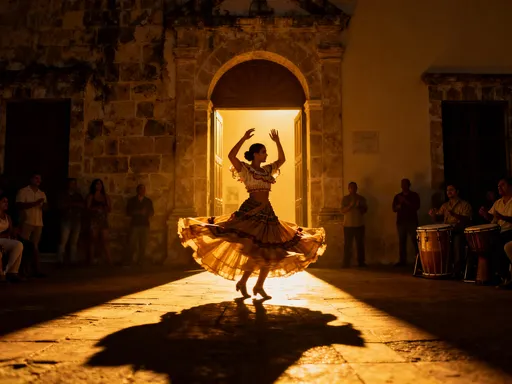
During the harvest season, villages host fiestas that feature roasted pig, red rice, and kelaguen—a dish made from grilled meat, lemon, and coconut. These meals are more than feasts; they are expressions of abundance made possible by the earth. Elders bless the food before it is served, acknowledging the plants and animals that gave their lives. Children participate in traditional games, such as coconut husking and rope climbing, learning skills that once ensured survival. Drumming and chanting fill the air, their rhythms echoing those used in ancient ceremonies to call upon the spirits of the land and sea.
Another meaningful event is the Full Moon Blessing, held on select nights when the moon rises large and golden over the ocean. Families gather on the beach to offer prayers, float flower petals on the water, and share stories under the light. This practice reflects the Chamorro belief that the moon influences tides, growth, and human emotions. It is a quiet, reflective ritual that reconnects people with natural cycles often lost in modern life. These festivals are not just about tradition—they are acts of ecological mindfulness, reminding participants that they are part of a larger, living system.
Traveling with Respect: A Guide to Mindful Exploration
For those drawn to Agana’s cultural and natural riches, the way one travels matters deeply. This is not a destination for passive observation but for engaged, respectful participation. The first principle of mindful exploration is to listen. Learn about Chamorro customs before arriving—understand that certain sites are sacred, not tourist attractions. Avoid touching or climbing on latte stones, petroglyphs, or ancestral altars. These are not relics to be posed with but living parts of a spiritual tradition.
Supporting local guides is one of the most meaningful ways to honor the culture. Chamorro-led tours offer insights that no brochure can provide—from the meaning behind a chant to the proper way to harvest a coconut without harming the tree. These guides are often educators, historians, and storytellers who take pride in sharing their heritage. Choosing eco-friendly accommodations, using reef-safe sunscreen, and carrying reusable water bottles also contribute to preserving the island’s delicate ecosystems.
Equally important is leaving no trace. Dispose of waste properly, stay on marked trails, and avoid picking plants or disturbing wildlife. When visiting beaches, remember that coral is fragile—never step on it or remove shells. Respect fishing zones and marine reserves, even if they limit where you can swim or snorkel. These rules are not restrictions but invitations to participate in a culture that values balance and reciprocity.
Finally, approach Agana with humility. This is not a place to conquer or consume, but to connect. Ask questions with kindness, accept corrections with grace, and carry the lessons of respect long after you return home. When travelers honor the culture, they become part of its preservation. They help ensure that future generations can still walk the ancient trails, hear the chants under the moon, and feel the deep harmony between people and nature.
Agana’s true beauty lies in the harmony between people and nature. Its natural wonders aren’t just scenic—they’re storytellers. By honoring culture, we protect the environment; by protecting nature, we keep culture alive. The journey here isn’t just about where you go, but how deeply you see.