You Gotta Know These Shopping Secrets in Sousse Before You Go
Sousse, Tunisia, blends sun-soaked beaches with a rich tapestry of shopping experiences, from bustling medina alleys to modern boutiques. As a traveler who once wandered clueless through its markets, I’ve learned that knowing *where* and *how* to shop transforms the entire journey. This guide shares practical, real-world tips to help you discover authentic goods, avoid common pitfalls, and make every dinar count—because smart shopping isn’t luck, it’s strategy.
Understanding Sousse’s Shopping Landscape
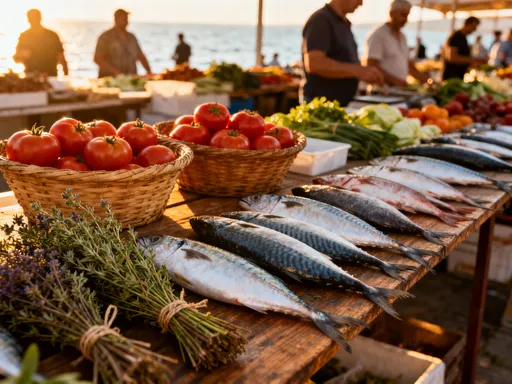
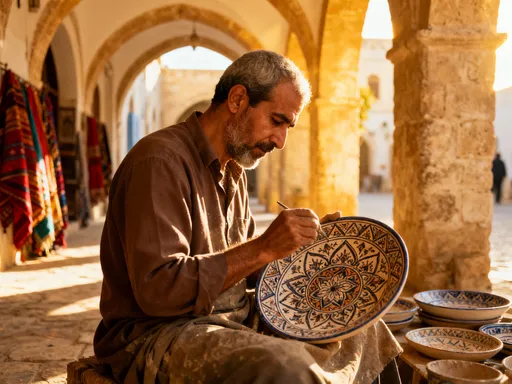
Sousse offers a unique duality in its retail culture, where ancient traditions meet modern convenience. At the heart of the city lies the UNESCO-listed Medina of Sousse, a maze of stone-paved lanes shaded by arched walkways and lined with family-run stalls. Here, shopping is not just transactional—it’s sensory, social, and deeply rooted in North African tradition. Vendors call out greetings in Arabic and French, the scent of cedar oil and fresh spices drifts through the air, and handcrafted goods spill from doorways. This is where you’ll find textiles dyed with natural pigments, intricately woven baskets, and ceramics fired in local kilns. The medina operates on rhythm and relationship, not receipts and rush.
In contrast, Sousse’s contemporary shopping zones reflect a more familiar, globalized retail experience. Along Rue el Jazira and near the Cité El Hana district, you’ll encounter modern storefronts, international clothing brands, and air-conditioned shopping areas. These zones cater to both locals and tourists seeking consistency, fixed prices, and convenience. While the atmosphere lacks the intimacy of the old city, it offers ease—especially for essentials like toiletries, medications, or children’s clothing. The juxtaposition between these two worlds is not a contradiction but a complement. Understanding this duality allows travelers to plan with intention, knowing when to embrace the spontaneity of the souk and when to seek the predictability of a modern shop.
Walkability is one of Sousse’s greatest assets. The medina is compact and best explored on foot, with its central landmarks—like the Great Mosque and the Ribat—serving as natural orientation points. The modern shopping streets are equally accessible, often just a 15- to 20-minute stroll from beachfront hotels. This seamless blend of old and new, combined with the city’s relatively relaxed pace, makes Sousse ideal for travelers who value both cultural immersion and practical comfort. Whether you’re hunting for a one-of-a-kind souvenir or replacing a lost charger, the city’s shopping landscape rewards those who approach it with awareness and respect.
The Art of Haggling: How to Bargain Like a Local
Bargaining is not just expected in Sousse’s medina—it’s part of the cultural ritual. Unlike fixed-price stores, most vendors in the old city operate on negotiation, and understanding this process can mean the difference between a fair deal and an overpriced memento. The key is to approach haggling not as a contest but as a conversation. Tunisians value politeness, patience, and personal connection, and these qualities often yield better results than aggressive tactics. A warm smile, a friendly greeting in Arabic such as “Salam alaikum,” and a willingness to engage in light conversation can set the tone for a successful exchange.
Begin by asking for the price, then assess whether it aligns with your research or gut sense of value. In many cases, initial quotes may be two to three times higher than what locals pay. A reasonable counteroffer is typically 50 to 60 percent of the starting price. For example, if a woolen blanket is offered at 120 dinars, respond with 60 or 70. The vendor will likely refuse at first, perhaps offering a compromise. Stay calm, express appreciation for the item, and be prepared to walk away if the price doesn’t meet your comfort level. Often, this is when the real negotiation begins—vendors may call you back with a lower offer. This ‘walk-away’ technique works because it signals that you’re not desperate, and in a market economy driven by volume, sellers prefer a reasonable sale over no sale at all.
Body language plays a subtle but powerful role. Avoid showing too much enthusiasm for an item—save your excitement for after the deal is sealed. Keep your tone light, maintain eye contact, and use phrases like “C’est trop cher” (It’s too expensive) or “J’ai un petit budget” (I have a small budget) to gently assert your position. Remember, the goal is not to win but to reach a mutually agreeable price. When both parties walk away satisfied, the transaction becomes more than a purchase—it becomes a shared moment of human connection. Over time, this approach builds confidence and makes shopping in Sousse not just economical but genuinely enjoyable.
What to Buy: Authentic Products Worth Your Money
Sousse and the surrounding Sahel region are renowned for their artisanal craftsmanship, and knowing what to look for ensures your purchases carry lasting value. Among the most cherished items are hand-thrown ceramics, often glazed in deep cobalt blues, earthy ochres, and soft greens. These pieces are typically made using traditional potter’s wheels and wood-fired ovens, giving each bowl, plate, or tagine a unique character. To distinguish authentic ceramics, examine the weight—genuine pieces are heavier due to dense clay—and look for slight irregularities in shape or glaze, signs of handmade artistry rather than factory production.
Another iconic purchase is the balgha, a soft leather slipper usually made from goat or lamb skin and dyed in vibrant reds, yellows, or golds. True balghas are hand-stitched and mold comfortably to the foot over time. When shopping, press the sole—genuine leather will flex naturally, while synthetic versions feel stiff. The smell of real leather is also a reliable indicator. For home decor, olive wood carvings—such as bowls, spoons, or ornamental boxes—are both beautiful and sustainable, as the wood comes from pruned branches of centuries-old trees. These items should have a rich grain and a smooth, waxed finish, never plastic-coated.
Textiles tell stories in Tunisian culture, and Sousse offers access to woven fabrics like sfifa (narrow trim used in traditional dress) and hand-embroidered linens. Look for tight, even stitching and natural fibers such as cotton or wool. Regional specialties include foutas, versatile cotton towels often used as beach wraps or tablecloths, and wedding fermalas, intricately embroidered coverlets passed down through generations. These textiles make meaningful gifts, especially when you learn their significance from the artisan. Additionally, consider food-based souvenirs like locally blended zaatar—a mix of thyme, sumac, and sesame—or raw honey from the hinterlands. These items are lightweight, travel well, and offer a taste of Tunisia long after your return.
When to Shop: Timing for the Best Experience
Timing can significantly influence the quality of your shopping experience in Sousse. The city follows a rhythm shaped by climate, culture, and commerce. Mornings, particularly between 8:30 and 11:00 a.m., are ideal for visiting the medina. Temperatures are cooler, the light is soft, and vendors are just opening their stalls, often in high spirits and ready to engage. Early shopping also means fewer crowds, allowing for more personal interactions and careful examination of goods. This is the best time to negotiate for higher-value items like rugs or ceramics, when both buyer and seller are alert and patient.
Midday, especially around Friday, requires some planning. Friday is the holy day in Islam, and many shops in the medina close between noon and 2:30 p.m. for prayers. While some tourist-focused stalls remain open, the energy slows, and bargaining may feel less dynamic. It’s wise to use this time for a meal or a visit to a cultural site, then return refreshed in the late afternoon. From 4:00 p.m. onward, vendors often become more flexible with pricing, especially if they haven’t made many sales. This is a strategic window for last-minute finds or closing deals you started earlier in the day.
Weekdays are generally less crowded than weekends, making Tuesday through Thursday the optimal days for a relaxed, in-depth shopping experience. Tour groups tend to arrive on weekends, leading to busier alleys and more pressure from vendors. Shopping midweek also increases your chances of meeting artisans at work—watching a potter shape clay or a weaver adjust a loom adds depth to your purchase. Evening shopping is possible in select areas, particularly near the port or in modern districts, but the medina tends to wind down by 7:00 p.m. Planning your shopping around these natural rhythms not only enhances comfort but also deepens your connection to the local way of life.
Navigating the Medina: A Smart Shopper’s Route
The Medina of Sousse is a living labyrinth, and without a plan, it’s easy to circle the same alleyways or miss hidden gems. A thoughtful route maximizes discovery while conserving energy. Begin at Bab el Bhar, the Sea Gate, which serves as a clear entry point from the modern city. From here, follow the main path toward the Great Mosque, the spiritual and architectural centerpiece of the medina. This central artery is lined with a mix of souvenir stalls and high-quality craft shops—ideal for initial browsing and price comparison.
After passing the mosque, veer left toward the artisan quarters, where specialists in specific crafts cluster together. Carpet weavers, metalworkers, and perfume vendors often group by trade, allowing you to see a range of options in one area. This is the best place to shop for larger or more expensive items, as competition keeps prices in check and expertise runs deep. Visit these workshops early in your trip when your energy is high and your judgment sharp. Engage with artisans directly—many are proud to explain their techniques and materials, offering insights that enhance the value of your purchase.
As you move deeper into the medina, the stalls shift toward smaller, more affordable trinkets—keychains, postcards, and mass-produced decor. These are fine for stocking stuffers or gifts, but save them for the end of your journey when your bargaining stamina may be low. Keep an eye out for directional signs, though many are in Arabic. A simple map from the tourist office or a saved offline version on your phone can prevent frustration. Stay hydrated—carry a reusable water bottle—and keep your bag secure, preferably worn across your body. The medina is safe, but crowded spaces attract pickpockets. With a clear route and mindful habits, your exploration becomes not just productive but deeply rewarding.
Beyond the Medina: Modern Retail Options
While the medina offers charm and authenticity, Sousse’s modern retail sector provides reliability and ease. Supermarkets like Monoprix and SAROUTY are excellent for essentials, from sunscreen and baby formula to packaged snacks and bottled water. These stores operate on fixed pricing, accept credit cards, and often have English-speaking staff, making them a stress-free alternative for time-pressed travelers. They also carry locally made goods—such as olive oil, dates, and herbal teas—packaged for export, ensuring quality and freshness.
For clothing, electronics, or cosmetics, these modern outlets offer a different kind of value. While prices may be higher than in the souk, they come with guarantees: no haggling, no counterfeits, and clear return policies. This is particularly important for items like phone chargers, prescription medications, or children’s clothing, where safety and authenticity matter most. Some travelers appreciate the air-conditioned comfort, especially during summer months when midday heat makes outdoor shopping exhausting.
Opening hours in modern stores are more predictable, typically running from 9:00 a.m. to 8:00 p.m., with extended hours on Thursdays and Fridays. Many remain open on weekends, unlike the medina, which slows down. Payment options vary—while cards are accepted in supermarkets and malls, smaller shops and street vendors operate on cash only. It’s wise to carry a mix of large and small denomination dinar bills. ATMs are widely available near hotels and main roads, but notify your bank before traveling to avoid transaction blocks. By balancing time between the medina and modern stores, you gain the best of both worlds: cultural richness and everyday convenience.
Cultural Etiquette & Practical Tips
Shopping in Sousse is as much about relationships as it is about goods. Tunisians value respect, and small gestures of courtesy go a long way. Dress modestly, especially in the medina—shoulders and knees covered is a safe guideline. This shows cultural sensitivity and often earns warmer interactions. If a vendor invites you for tea, accept graciously, even if just a sip. Refusing can be seen as dismissive, while sharing a glass builds trust and often leads to better prices.
Always ask permission before photographing people, particularly artisans at work. A simple hand gesture and a smile can convey your request. Many are happy to pose, especially if you show genuine interest in their craft. Carry small bills—5, 10, and 20 dinar notes—to make transactions smoother and avoid the inconvenience of breaking large bills. Consider using a money belt or hidden pouch for larger amounts, and keep your day bag zipped and in front of you in crowded areas.
Finally, be mindful of what you can legally take home. While most souvenirs pose no issue, antiques, religious artifacts, or items made from protected materials may be restricted by customs in your home country. When in doubt, ask the vendor for documentation or consult your embassy. These practical steps protect both you and the cultural heritage of Tunisia. Remember, shopping here is not a race—it’s a journey of discovery, connection, and appreciation.
Conclusion: From Tourist to Savvy Explorer
Shopping in Sousse is more than a transaction—it’s an invitation to engage with a living culture. When you understand the rhythm of the medina, master the gentle art of negotiation, and recognize the value of handmade tradition, you move beyond the role of a passive tourist. Each purchase becomes a story: the ceramic bowl shaped by a potter’s hands, the balgha stitched by a craftsman’s needle, the tea shared with a vendor who remembers your name. These moments linger far longer than any souvenir.
By planning your timing, respecting local customs, and balancing exploration between old and new, you transform shopping into a meaningful part of your travel experience. You don’t just bring home objects—you bring back connection, understanding, and memories etched in texture, scent, and sound. Let every dinar spent be an investment in authenticity. And the next time you sip mint tea from a hand-glazed cup, you’ll remember not just Sousse’s sun, but its soul.