You Won’t Believe How to Master Public Spaces in Kura Maa Maldives
Have you ever stayed at a resort where the vibe just felt right? In Kura Maa Maldives, it’s not luck—it’s design. The way people move, connect, and relax in shared spaces is intentional. I was blown away by how small details—layout, lighting, even scent—shape your experience. This isn’t just about beauty; it’s about belonging. Let me show you how to read and use these spaces like a pro, so every moment feels effortless and unforgettable.
First Impressions Matter: Arriving into Shared Spaces
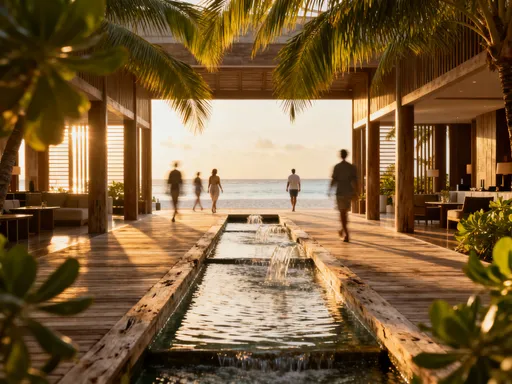
Stepping into Kura Maa Maldives feels less like checking into a resort and more like being gently welcomed into a living, breathing environment. The journey from boat to lobby is carefully choreographed to ease guests into a slower rhythm. As the dhoni glides toward the island, the first glimpse of the open-air reception appears like a pavilion floating above the sand, framed by swaying palms and softened by the sound of lapping waves. There are no high counters, no long queues—just a cool breeze, a chilled towel, and a quiet smile. This seamless transition from private arrival to public immersion sets the emotional tone for the entire stay.
The psychology behind this design is rooted in environmental comfort and sensory harmony. Wide, unobstructed pathways encourage unhurried movement, reducing subconscious stress. Natural materials—polished coral stone, woven rattan, and sun-bleached wood—create a tactile connection to the island. Even the scent in the air, a subtle blend of frangipani and sea salt, is diffused through discreet outdoor systems to enhance mood and memory. These elements work together to signal safety, openness, and ease, inviting guests to lower their guard and begin to relax.
For travelers, understanding this initial flow is key to mastering the rest of the resort. Spend the first hour simply observing—where do people go after check-in? Which paths lead to the beach, the spa, or the dining areas? Notice how the layout guides movement without signs or barriers. By mentally mapping these natural currents early, you can plan your daily routines to align with the resort’s rhythm rather than fight against it. For instance, if most guests head to the beachfront bar at sunset, you might choose to enjoy a quiet coffee by the garden instead, then arrive at dinner just before the crowd thins.
Another practical tip: take note of lighting patterns during the day. Shaded corridors and overhangs are positioned to protect from midday sun, while open areas are angled to catch the golden glow of morning and late afternoon. By syncing your movements with these subtle cues, you not only stay comfortable but also experience the resort at its most photogenic and peaceful moments. The goal is not to rush through spaces, but to move through them with intention and grace.
The Heartbeat of the Resort: Central Gathering Zones
If the arrival experience sets the tone, the central gathering zones define the soul of Kura Maa Maldives. These are the places where life unfolds—where laughter rises from a group of friends at the infinity pool, where couples share quiet conversations on low-slung sofas, and where children dart between shaded play corners. The design of these hubs is a masterclass in balancing energy and tranquility. The beachfront lounge, for example, is arranged in a series of semi-circular clusters, each with its own microclimate of shade, breeze, and view. This layout encourages both connection and privacy, allowing guests to be part of the scene without feeling exposed.
Seating is thoughtfully curated to support different social needs. Grouped cabanas with deep cushions and low tables invite shared moments—perfect for families or friends traveling together. In contrast, solitary sunbeds are placed at slight angles, often backed by a screen of tall grass or positioned near a quiet corner of the pool, signaling that solitude is not only allowed but respected. Even the placement of umbrellas is strategic: some are fixed to block direct sun, while others are adjustable, giving guests control over their comfort. This level of detail ensures that everyone, from the social butterfly to the introspective traveler, finds a place to belong.
Comfort is further enhanced by environmental intelligence. The resort’s architects studied wind patterns to align open-air structures with natural airflow, so even on still days, a gentle breeze finds its way through the lounge areas. Acoustic buffering—achieved through the use of water features, dense vegetation, and textured surfaces—softens noise without deadening the atmosphere. The result is a space that hums with life but never feels loud or chaotic. You can hear the clink of glasses, the murmur of conversation, and the distant splash of water, all blending into a soothing background melody.
For guests, the key to enjoying these spaces is timing and awareness. The central pool area tends to be busiest between 10 a.m. and 2 p.m., when families gather and sunbathers claim their spots. To secure a prime location without appearing competitive, arrive just before 9 a.m., when the staff are resetting the lounge. A friendly nod to the attendant often ensures a well-placed sunbed with shade for later. Alternatively, consider visiting during mid-afternoon, when many guests retreat to their villas or spa appointments. This quieter window offers the same stunning views with far less competition.
Dining in the Open: When Meals Become Moments
Dining at Kura Maa Maldives is not merely about food—it’s about experience, connection, and atmosphere. The open-air restaurant, perched on a wooden deck above the lagoon, transforms each meal into a sensory event. Long communal tables made from reclaimed teak encourage conversation among guests, while smaller, family-style arrangements offer intimacy for couples or solo diners. The spacing between tables is generous, ensuring that privacy is maintained even in a shared setting. This balance of openness and respect is what turns a simple dinner into a lasting memory.
Food presentation plays a subtle but powerful role in shaping social dynamics. Buffet areas are designed with wide aisles and multiple access points to prevent crowding. Dishes are arranged by category—fresh seafood, tropical fruits, grilled specialties—so guests can move through with ease. Staff are positioned at key intervals, not just to serve, but to guide flow and answer questions with a calm presence. Their rhythm is unhurried, matching the pace of the environment, which in turn encourages guests to slow down and savor each bite.
For travelers, choosing the right seat can shape the entire dining experience. If you’re seeking romance, request a corner table near the water’s edge, where the sound of waves drowns out surrounding noise. For family meals, a central spot near the buffet allows easy access while keeping children in sight. Solo travelers often find comfort at the chef’s counter, where interaction with the kitchen team provides a sense of connection without pressure. The staff are trained to recognize these preferences and accommodate them with quiet attentiveness.
Another important consideration is timing. Breakfast is most peaceful between 7:30 and 8:30 a.m., before the day’s activities begin. Lunch peaks between 12:30 and 1:30 p.m., so arriving at 11:45 a.m. or after 2 p.m. can mean shorter waits and more relaxed service. Dinner, especially on cultural nights, draws larger crowds, so reservations are recommended. By aligning your dining schedule with these patterns, you not only avoid congestion but also experience the restaurant at its most harmonious.
Blending Nature and Architecture: Design That Disappears
One of the most remarkable aspects of Kura Maa Maldives is how the architecture seems to vanish into the landscape. Elevated walkways made of sustainably sourced hardwood wind through coconut groves and over shallow lagoons, connecting villas and public areas without disrupting the natural terrain. Coral stone walls, built using traditional techniques, blend seamlessly with the earth tones of the island. Overwater decks extend like fingers into the turquoise water, their edges blurred by reflection and light. This intentional design philosophy—where structures enhance rather than dominate—creates a sense of continuity between land, sea, and sky.
The absence of visual barriers is a deliberate choice. There are no high fences, no solid walls blocking the view. Instead, low hedges, clusters of bamboo, and strategically placed boulders define spaces while preserving sightlines. This openness fosters a feeling of freedom and connection to the environment. You never feel enclosed or separated from the beauty around you. Even the roofs are designed with shallow pitches and natural finishes, ensuring they don’t interrupt the horizon.
Sustainability is woven into every material choice. The resort uses indigenous plants in its landscaping—coconut palms, hibiscus, and pandanus—not only for their beauty but for their ability to thrive with minimal irrigation. Rainwater is collected and reused, and solar panels are integrated into structures in ways that remain invisible from guest pathways. These eco-conscious decisions are not marketed aggressively; they are simply part of the fabric of the place, reinforcing a sense of responsibility and respect for the island.
Travelers can deepen their experience by tuning into natural transitions. The tide, for example, changes the character of the walkways—some are surrounded by water at high tide, creating the illusion of floating. Sunlight shifts dramatically throughout the day: morning light gilds the eastern beach, while late afternoon casts long shadows across the western deck. By planning your movements around these rhythms, you engage more fully with the environment. A sunrise walk on the jetty, a midday read in a shaded cabana, an evening stroll as the tide rolls in—each moment feels distinct because the space itself is alive.
Quiet Corners & Hidden Nooks: Finding Solitude in Shared Areas
Even in a resort designed for connection, the need for solitude is honored. Kura Maa Maldives features a network of quiet corners—small, intentional spaces where guests can retreat without leaving the communal world. A library alcove, tucked behind a screen of tall grass, offers shaded seating and a curated selection of books on Maldivian culture and ocean life. A meditation garden, centered around a still lotus pond, is surrounded by soft gravel paths that muffle footsteps. Tucked-away benches appear along lesser-traveled paths, often facing a quiet stretch of beach or a grove of trees.
These spaces are marked by subtle cues that signal their purpose. Lighting is softer—often from low-hanging lanterns or hidden LED strips. Sound dampening is achieved through thick vegetation or water features that create a gentle white noise. Plant cover provides a sense of enclosure without isolation. These design elements communicate, without words, that this is a place for reflection, reading, or simply breathing deeply.
Respecting these zones is as important as finding them. The unspoken rule is simple: if someone is using a quiet space, pass by quietly or choose another path. There is no need to announce your presence or engage. The resort’s culture of mindfulness means that silence is not awkward—it is valued. Guests quickly learn to read body language: a person with closed eyes, a book face-down on their lap, or headphones in place are all signals to move on gently.
To locate these spots, explore early in your stay. Ask a staff member for “a peaceful place to read” or “a quiet view of the water,” and they will often guide you to a lesser-known bench or shaded nook. Avoid seeking them during peak activity times, and never bring loud devices or food unless permitted. By using these spaces with care, you not only preserve their tranquility but also contribute to the shared respect that defines the resort’s atmosphere.
Activity Flow: How Events Shape Public Use
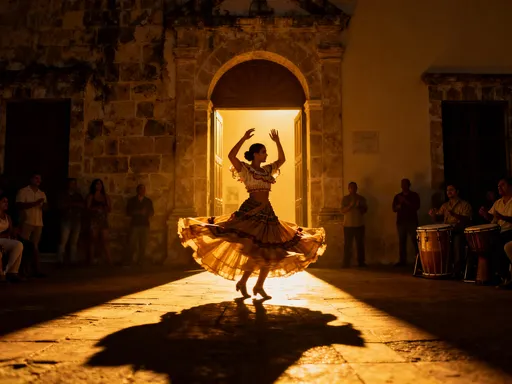
Daily activities at Kura Maa Maldives do more than fill the schedule—they shape the rhythm of public space. Yoga at dawn draws guests to the open-air pavilion, where mats are arranged in a semi-circle facing the sunrise. The soft sound of chanting and breathing becomes part of the morning soundtrack, encouraging others to move quietly or join in. Snorkel groupings depart from the jetty at 9 a.m., temporarily concentrating activity in one area before dispersing across the reef. Cultural nights transform the beachfront into a gathering place for storytelling, music, and local cuisine, drawing people together in a shared celebration.
These events also revitalize underused areas. A pop-up bar might appear on a quiet stretch of sand for a sunset cocktail hour, drawing guests to a part of the beach they might otherwise overlook. Beach games for families activate the northern shore, while stargazing sessions on the western deck create a new focal point after dark. These temporary setups keep the resort dynamic, preventing any single area from feeling stagnant or overused.
For travelers, aligning personal plans with the event calendar is a smart strategy. If you prefer calm, avoid the main pool during family activity hours. Instead, use that time for a spa treatment, a quiet swim in a secluded cove, or a walk along the less-traveled southern path. Conversely, if you enjoy energy and interaction, plan to be near the beachfront during cultural events or group snorkeling. The resort’s app and daily printed guide provide clear schedules, helping guests navigate these shifts with ease.
Digital tools also support spatial awareness. The app includes real-time updates on activity locations, seating availability, and even crowd density in dining areas. Signage is minimal but effective—simple wooden markers with elegant script guide guests without cluttering the landscape. By using these resources, you can move through the resort with confidence, knowing when and where to go for the experience you desire.
Reading the Room: Social Intelligence in Shared Settings
Mastering public spaces is not just about design—it’s about behavior. At Kura Maa Maldives, both staff and long-term guests model a quiet form of social intelligence. They speak in low voices, move with unhurried grace, and respect unspoken boundaries. Shoes are removed before entering certain areas, not because of strict rules, but because it feels natural in a place so connected to the earth. Shared equipment—like snorkel gear or beach toys—is returned neatly, ensuring it’s ready for the next person. These small acts of care create a culture of mutual respect.
Volume levels are perhaps the most noticeable cue. In communal areas, conversations remain soft, and music is always background, never dominant. This creates an atmosphere where silence is not empty but full of presence. Guests learn to listen more—to the waves, to the wind, to the quiet laughter of a child. Being mindful of your own footprint—how loud you speak, how much space you take, how you leave a shared area—becomes second nature.
Staff play a key role in maintaining this balance. They are trained to be present without intrusion, to anticipate needs without hovering. A glance, a slight nod, a quiet word—these are the tools of their service. They also gently guide social norms, such as reminding guests to keep phones off during cultural events or to avoid flash photography during stargazing. These moments are not about enforcement, but about preserving the collective experience.
For visitors, the lesson is simple: awareness enhances enjoyment. When you move through a shared space with mindfulness, you don’t just occupy it—you belong to it. You begin to notice the rhythms—the way the light changes, the way people gather and disperse, the way silence returns after an event. This awareness doesn’t require effort; it grows naturally in an environment designed to nurture it.
Conclusion
True luxury isn’t just privacy—it’s knowing how to move gracefully through shared worlds. At Kura Maa Maldives, public spaces are crafted to inspire ease, belonging, and quiet joy. By understanding their rhythm, you don’t just visit—you belong. The next time you travel, don’t just see the scenery. Feel the space. Let it guide you.