Taste the Sun: How Varna’s Flavors Turn Travel into Magic
You know that feeling when you bite into something so fresh and full of life, it’s like the place itself is welcoming you? That’s Varna. Nestled on Bulgaria’s Black Sea coast, this city doesn’t just offer views and history—it serves up joy on a plate. From seaside markets to hidden family-run mehanas, every meal feels like a celebration. The scent of grilled fish drifts through evening breezes, warm banitsa beckons from corner bakeries, and elders toast with rakia under grape arbors. Here, food isn’t an afterthought—it’s the heartbeat of the city. I didn’t just visit Varna—I tasted it, lived it, loved it. And in doing so, I discovered that the truest way to know a place is not through sightseeing, but through sharing its table.
The First Bite: Why Food is Varna’s True Welcome
Varna is often described as Bulgaria’s maritime gem, a sun-drenched city where golden beaches meet historic charm. But beyond its scenic boulevards and Roman ruins lies a deeper truth: Varna opens its arms not through monuments, but through meals. In this coastal capital, food is the first language of hospitality. When you step off the train or wind down from the hills, it’s not a brochure or a map that greets you—it’s the aroma of roasting peppers, the sizzle of kebapcheta on open grills, and the warm yeasty breath of freshly baked bread. These are not tourist performances; they are the rhythms of daily life, as natural as the tide rolling in from the Black Sea.
The flavors of Varna tell the story of a cultural crossroads. Centuries of Ottoman influence blend with Mediterranean ease and Slavic heartiness, creating a cuisine that is both bold and comforting. Think of tangy white cheeses drizzled with wild thyme honey, sour cherry compotes served alongside slow-cooked stews, or garlicky yogurt sauces cooling the heat of grilled meats. This is food shaped by the land and sea—by sun-ripened vegetables from nearby farms, by fish hauled from the Black Sea at dawn, and by herbs gathered from the forested hills just beyond the city’s edge. It’s a cuisine of generosity, where a shared plate is more common than individual portions, and where meals unfold slowly, like a conversation between old friends.
What sets Varna apart is its authenticity. Unlike destinations where local food is sanitized for tourists, here the culinary culture remains rooted in home and tradition. You won’t find many fusion experiments or molecular gastronomy—what you will find is real, unpretentious cooking, passed down through generations. A grandmother stirs a pot of sarmi in her kitchen, rolling minced meat in sour cabbage leaves with practiced hands. A fisherman grills his catch on a dockside fire, sharing it with passersby. These moments aren’t staged; they’re lived. And when you’re invited in—whether through a smile, a nod, or a raised glass—you’re not just eating; you’re belonging.
Coastal Markets: Where the Day Begins with Flavor
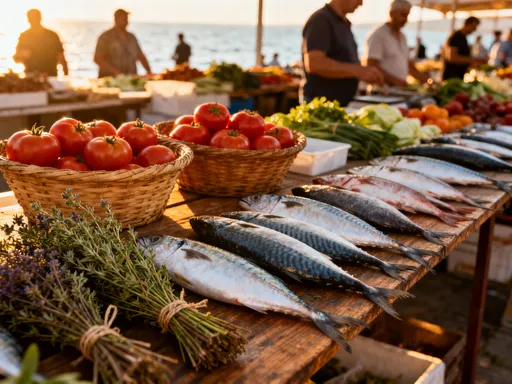
If Varna’s soul lives in its food, then its heart beats strongest in the morning markets. The Central Food Market, a bustling hall of color and chatter, is where the city wakes up. Long before the beach umbrellas open, vendors arrange pyramids of ripe tomatoes, their skins glowing like rubies. Baskets overflow with wild mint, dill, and parsley, their fragrance rising in the cool air. Wheels of yellow kashkaval cheese rest beside bowls of creamy sirene, while jars of red pepper relish—lyutenitsa—sit in sunlit rows, each labeled with a family name and harvest date.
Walking through the market is a sensory immersion. The scent of fresh anchovies, caught just hours before, mingles with the earthy aroma of mushrooms foraged from nearby forests. A woman in a floral apron offers a sliver of smoked cheese on a toothpick—no sale expected, just a gesture of welcome. Nearby, an elderly man weighs plump figs on a brass scale, his hands moving with the precision of decades. This is not a marketplace designed for Instagram; it’s a working hub where locals shop, chat, and plan their meals. Yet visitors are not outsiders here. A smile, a polite “Dobur den” (good day), and a willingness to point at what looks good are often enough to spark a connection.
For travelers, the market offers more than just ingredients—it’s a lesson in Bulgarian food culture. The ingredients here form the foundation of nearly every home-cooked meal: tomatoes and peppers for chushki stuffed with rice and herbs, sour cream for enriching soups, fresh dill for garnishing nearly everything. Even the simplest dishes rely on quality, seasonal produce. This is food that respects the calendar—green beans in summer, pickled cabbage in winter, wild berries in late spring. Visitors can take home more than groceries; they can take home an understanding of how food is woven into the rhythm of life.
For the best experience, arrive early—between 7:00 and 9:00 a.m.—when the fish is freshest and the produce is still dewy. Bring a reusable bag, some small bills, and an open mind. While few vendors speak fluent English, most respond warmly to gestures and simple phrases. Don’t be afraid to taste before you buy; many will offer samples of cheese, honey, or homemade rakia. And if you’re unsure what to choose, follow the locals—wherever there’s a small crowd, there’s likely something delicious.
Street Bites & Seaside Snacks: Eating Like a Local
In Varna, great meals don’t require a reservation or a white tablecloth. Some of the most memorable flavors come from paper-wrapped parcels handed across a counter or served on a plastic plate by the water. These are the street bites that fuel the city’s daily life—quick, satisfying, and deeply rooted in tradition. For the curious traveler, embracing them is the surest way to eat like a local.
Start with kebapcheta, Bulgaria’s beloved grilled sausages. Made from a mix of pork and beef, seasoned with black pepper and cumin, they’re cooked over open charcoal and served in a crusty bread roll with a slice of onion and a smear of lyutenitsa. Best enjoyed standing at a counter near the Sea Garden, with a cold Shumensko beer in hand, this is comfort food at its most honest. The char on the outside, the juiciness within, the tang of the relish—it’s a flavor combination that lingers in memory.
For the more adventurous, shkembe chorba—a traditional tripe soup—awaits at certain morning stalls. Served steaming hot with a spoonful of garlic vinegar and a pinch of paprika, it’s a dish with a devoted following, especially as a restorative after a late night. While its appearance might give pause to some, its creamy texture and deep, brothy warmth win over many skeptics. It’s not just food; it’s folklore in a bowl, passed down as both nourishment and remedy.
Along the fishing docks, small stands grill mackerel and sprats over open flames, serving them with nothing more than a wedge of lemon and a piece of dark bread. The fish are so fresh they taste of the sea itself—oily, rich, and slightly smoky. Pair one with a glass of local white wine or a bottle of mineral water with a splash of mint syrup, and you have a meal that costs little but satisfies completely. For a full afternoon of tasting, follow this trail: begin with a banitsa from a bakery near the cathedral, move to a seaside kebapcheta stand for lunch, then sample grilled fish by the harbor, and finish with a scoop of homemade ice cream flavored with rose petals or sour cherries from a family-owned parlor.
Hidden Mehanas: Dining in the Heart of Tradition
While modern cafes line Varna’s main streets, the true spirit of Bulgarian dining lives in the city’s hidden mehanas—traditional taverns tucked into quiet neighborhoods, courtyards, or old stone buildings. These are not restaurants in the Western sense; they are gathering places, where families celebrate, friends reunite, and strangers become companions over shared dishes and flowing rakia. The word “mehana” evokes images of wooden beams, checked tablecloths, and the sound of accordion music drifting through open windows.
Step inside one on a Friday evening, and you might find a multi-generational family toasting a birthday, their glasses raised in unison with a hearty “Nazdrave!” (Cheers!). The air is warm with the scent of roasted peppers, bubbling stews, and grilled meat. Waiters weave through the room with trays of meze—small plates of pickled vegetables, feta-like sirene cheese, cured meats, and fresh bread. This is the rhythm of the meal: slow, social, and centered around abundance.
Order a platter of sarmi—cabbage or vine leaves stuffed with a savory mix of rice and minced meat—and you’ll taste a dish that changes with the seasons and the cook. In summer, the vine leaves are tender and bright; in winter, the cabbage version offers deeper, earthier notes. Pair it with a clay-pot kavarma, a rich stew of chicken or pork simmered with onions, tomatoes, and bell peppers, and you have a meal that feels both festive and familiar. The portions are generous, meant for sharing, and the pace is unhurried. Dessert might be a slice of baklava drizzled with honey, or a bowl of fresh fruit with a dollop of thick yogurt.
For visitors, dining in a mehana is as much about etiquette as it is about flavor. Always return a toast with eye contact and the word “Nazdrave.” Share dishes rather than ordering individually. And don’t be surprised if a neighboring table offers you a taste of their food—it’s a sign of welcome. Some of the most authentic mehanas are off the tourist path: look for handwritten signs, local patrons, and the sound of live folk music. Reservations may not be taken, but arriving early ensures a good seat.
Cooking Classes & Culinary Experiences: Learning the Secrets
To taste Varna’s cuisine is wonderful; to learn how it’s made is transformative. In recent years, a quiet culinary movement has opened the doors of Bulgarian kitchens to travelers through hands-on cooking classes. These are not demonstration-only sessions, but intimate experiences led by home cooks, grandmothers, and local chefs who believe that food is more than technique—it’s memory, identity, and love.
One such class might begin in a sunlit kitchen on the outskirts of the city, where a woman in an apron greets you with a tray of herbal tea. The lesson starts with banitsa, the beloved layered pastry filled with cheese, eggs, and sometimes spinach or pumpkin. You’ll learn to stretch the thin filo dough by hand, brush each layer with butter, and fold in the filling with care. As you work, stories unfold—the recipe passed from her mother, the way her children still ask for it on birthdays, the village fair where she once won first prize.
Other classes focus on seasonal dishes: making pickled vegetables in late summer, preparing sarmi for winter holidays, or crafting homemade jams from wild berries. You might visit a small garden to harvest dill, mint, and parsley, then learn how each herb enhances a different dish. In a clay oven workshop, you’ll slow-cook kavarma, sealing the pot with dough to lock in moisture and flavor. These experiences are not rushed; they unfold over hours, with breaks for tea, laughter, and tasting.
Most classes conclude with a shared meal, where you eat what you’ve prepared, often alongside the host’s family. It’s a moment of connection that transcends language. While some classes are offered through cultural centers or small tour operators, the most authentic ones take place in private homes. Booking in advance is essential, and while prices vary, they typically include ingredients, instruction, and the meal. For travelers seeking more than sightseeing, this is a way to carry a piece of Varna home—not just in photos, but in muscle memory and taste.
From Vineyard to Glass: The Taste of the Black Sea Terroir
The flavors of Varna extend beyond the plate to the glass. Just a short drive inland, the rolling hills of the Provadiya region cradle family-run vineyards that are quietly redefining Bulgarian wine. Once known primarily for bulk production, this area now celebrates native varietals like Mavrud, a bold red with notes of dark berries and spice, and Dimiat, a crisp, floral white that thrives in the Black Sea’s humid climate. These wines are not mass-market products; they are expressions of terroir, shaped by sea breezes, limestone soils, and generations of care.
A half-day wine tour offers a peaceful escape from the city. You’ll wind through vine-covered slopes, stopping at small cellars where the owners—often the winemakers themselves—pour tastings in clay cups or simple glasses. The atmosphere is informal; conversations flow easily, and questions are welcomed. You’ll learn how Mavrud benefits from extended aging, developing complexity over time, while Dimiat is best enjoyed young, its freshness echoing the nearby sea. Pairings are simple but perfect: a slab of aged kashkaval, a dish of marinated olives, or a slice of prosciutto from a local farm.
What makes these visits special is their intimacy. Unlike commercial wineries, these are working farms where every bottle tells a story. You might walk the vines with the owner, touch the grapes still on the vine, and hear about the challenges of this year’s harvest. Some cellars host small dinners under pergolas, where local chefs prepare seasonal dishes to match the wines. Imagine a grilled eggplant salad with garlic yogurt, followed by a slow-roasted lamb shoulder, all paired with a bold Mavrud that stands up to the richness.
For travelers, combining a vineyard visit with a seaside dinner creates a full sensory loop—starting in the quiet hills, ending with the sound of waves and a glass of white wine as the sun sets over the Black Sea. It’s a reminder that great food and wine are not isolated pleasures, but parts of a larger story about land, labor, and tradition.
Why Varna’s Food Stays With You—And Why It Should
Long after the tan fades and the souvenirs are unpacked, the flavors of Varna remain. They linger not just on the palate, but in the heart. This is because what you eat in this city is not mere sustenance—it is a conversation. A conversation with the farmer who grew the tomatoes, with the fisherman who hauled in the anchovies, with the grandmother who rolled the sarmi by hand. It is a dialogue with the land, the sea, and centuries of tradition.
In a world where travel can feel rushed and superficial, Varna offers something deeper. It invites you to slow down, to sit longer, to taste more fully. It reminds you that the best journeys are not measured in miles, but in moments—of sharing a meal with strangers, of learning a recipe from a local, of toasting with rakia under a summer sky. These are the experiences that shape memory, that turn a vacation into a transformation.
Varna’s food stays with you because it is real. It is unpolished, unhurried, and unafraid to be simple. It does not seek to impress; it seeks to nourish. And in doing so, it offers a rare gift: the chance to connect. To the place. To the people. To yourself.
So come for the beaches, if you must. Stay for the history, if that moves you. But let the food guide your journey. Let it lead you to markets at dawn, to hidden mehanas at dusk, to vineyards in the golden light of afternoon. Taste the sun, the sea, the soil. And when you leave, you won’t just carry memories—you’ll carry a piece of Bulgaria in your heart, waiting to be remembered with every bite.