Snap Me If You Can: London’s Quirkiest Souvenirs You’ve Gotta Frame
Ever walked past a red phone box and thought, Wait—why does that feel so iconic? I did. And then I started seeing London not just as a city, but as a living photo album. From retro double-decker buses to tiny tea shops with rainbow macarons, every corner screams for a snapshot. But here’s the twist: the best memories aren’t just captured—they’re carried home. Let me take you on a visual journey where every shot tells a story, and every souvenir? Pure magic. This isn’t about ticking off tourist spots or stuffing your suitcase with trinkets. It’s about curating moments—intentionally, beautifully—that live beyond the trip. In a world where we photograph everything, what if we started framing not just the landmarks, but the little things that made us pause, smile, or say, “I need to remember this”?
The Lens That Changed My London
When I first arrived in London, my camera roll looked like everyone else’s: Big Ben at sunset, the London Eye towering over the Thames, a perfectly framed shot of Buckingham Palace. Predictable. Polished. But after a few days, I realized something was missing—emotion. I had images, but no soul. It wasn’t until I put down the guidebook and picked up a slower, more thoughtful way of seeing that London began to reveal itself. I stopped chasing postcard views and started noticing textures, colors, and fleeting moments: the crinkle of a fish-and-chip wrapper caught in a gust of wind, a child’s hand gripping a red balloon outside a toy shop, the way sunlight hit a puddle beside a black cab. These weren’t just scenes—they were stories waiting to be told.
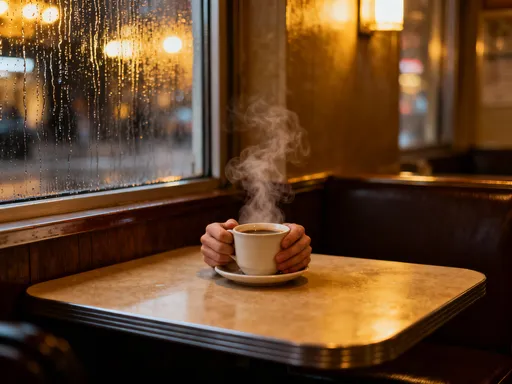
That shift in perspective changed how I collected souvenirs, too. Instead of buying something generic because it said “London” on it, I began to seek items that resonated with the moments I’d photographed. A chipped mug from a corner café where I sat for an hour watching the rain fall on cobblestones. A ticket stub from a West End show I’d splurged on. These weren’t just objects—they were emotional anchors. And when I paired them with a well-composed photo, they became something more: visual heirlooms. This is the heart of what I call *intentional souvenir hunting*—not shopping for clutter, but collecting pieces of a feeling, a memory, a moment in time.
The camera didn’t just document my trip—it shaped it. By choosing to focus on detail, mood, and atmosphere, I started to see London in layers. The city’s history wasn’t just in its monuments; it was in the worn brass of a door handle, the peeling paint on a pub sign, the steam rising from a manhole cover on a winter morning. And each of these became a potential subject—not just for a photo, but for a keepsake that could live on my shelf or in a frame at home.
Why Souvenirs Deserve a Second Shot
We’ve all been there: returning from a trip with a bag full of little things we thought we’d love, only to unpack them and feel… nothing. A snow globe gathers dust. A keychain gets lost in a drawer. The problem isn’t the souvenirs—it’s how we collect them. Too often, we treat them as afterthoughts, impulse buys with no connection to our actual experience. But what if we treated souvenirs like artifacts? What if each one came with a story, a photo, a moment of meaning?
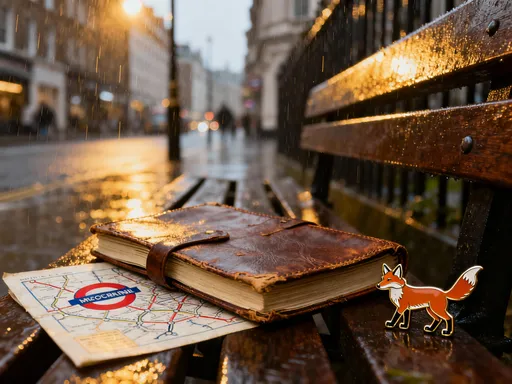
That’s where photography transforms the ordinary into the extraordinary. A simple biscuit tin from a local market isn’t just packaging—it’s a vessel of memory when photographed beside a steaming cup of tea on a rainy afternoon. A vintage Underground map isn’t just decoration; it becomes a narrative when shot tucked into a well-worn backpack on a wooden bench in a quiet park. These pairings turn clutter into curation. They remind us not just of where we were, but how we felt.
Research in psychology suggests that tangible objects paired with sensory memories—like the smell of rain, the sound of street music, or the warmth of a café—can significantly enhance emotional recall. A souvenir photographed in context activates multiple senses, making the memory more vivid and lasting. This isn’t just nostalgia—it’s emotional preservation. And for many travelers, especially those in their 30s to 50s who value meaningful experiences over material excess, this approach brings deeper satisfaction.
So the next time you’re tempted to buy something small and charming, pause. Ask yourself: Does this reflect a moment I truly loved? Can I photograph it in a way that brings the memory to life? When souvenirs are chosen with intention and documented with care, they cease to be mere objects. They become chapters in a personal travel story—one you can revisit anytime you glance at the frame on your wall.
Camden Market: Where Chaos Meets Charm
If London had a heartbeat, you’d feel it in Camden Market. It’s loud, crowded, and bursting with life—a sensory overload in the best possible way. The air smells of sizzling halloumi, patchouli oil, and freshly baked crepes. Neon signs buzz above stalls selling everything from handmade candles to vintage denim. And everywhere you look, there’s color, texture, movement. For a photographer, it’s paradise. For a souvenir hunter, it’s a treasure hunt with endless rewards.
What makes Camden special is its unapologetic authenticity. This isn’t a sanitized tourist market—it’s raw, real, and full of personality. The stalls are run by artists, punks, dreamers, and entrepreneurs who pour their identity into what they sell. I found myself drawn to the handmade jewelry stands, where delicate silver necklaces hung beside bold, chunky rings made from recycled guitar parts. One stall displayed custom leather patches with cheeky London slogans—“Mind the Gap in Conversation,” “Tea Over Drama”—each one a tiny piece of wit worth remembering.
But the real magic happened when I started photographing the items in their natural habitat. I bought a rainbow-striped enamel fox pin from a young artisan who told me it was inspired by the urban foxes that roam North London at night. Instead of just tucking it into my bag, I stepped outside, found a graffiti-covered wall splashed with pinks and blues, and placed the pin against it. The contrast was stunning—the crisp, glossy enamel against the rough, layered paint. The photo didn’t just show the pin; it told a story about creativity, rebellion, and the wild spirit of the city.
For the best shots in Camden, I recommend visiting mid-morning. The light slants through the market awnings, creating soft highlights and long shadows. Avoid the midday rush, and don’t be afraid to ask vendors if you can photograph their wares—most are proud of their crafts and happy to say yes. A close-up of a hand-stitched leather bag, backlit by a string of fairy lights, can turn a simple purchase into a work of art. In Camden, the souvenirs aren’t just quirky—they’re alive with energy, and your camera can capture that pulse.
Notting Hill’s Pastel Paradise of Prints & Porcelain
Just a short walk from the frenzy of Portobello Road Market lies a different world—one of soft pinks, mint greens, and buttercup yellows. Notting Hill’s pastel-painted houses and flower-filled window boxes create a dreamy backdrop for a quieter kind of souvenir hunt. Here, the treasures are delicate: hand-painted teacup sets, linen tea towels with botanical prints, illustrated postcards of London bridges, and silk scarves in floral patterns that look like they’ve stepped out of a 1960s film.
I wandered into a small boutique with a brass bell above the door. Inside, the air smelled faintly of lavender and old paper. Glass cabinets displayed vintage Royal Doulton figurines—tiny ballerinas, shepherdesses, and children in Edwardian dress. One figurine, a girl holding a lamb, caught the light just right. I asked the shopkeeper if I could take a photo, and she smiled. “She’s been here thirty years,” she said. “People always stop for her.”
I spent ten minutes framing the shot: shallow depth of field, backlight from the front window, a soft cloth beneath to reduce glare. The result was more than a photo of a porcelain figure—it was a portrait of time. That evening, I bought a small teacup from the same shop, its rim painted with forget-me-nots. I photographed it on a windowsill at golden hour, the late sun turning the porcelain translucent. The image glowed with warmth and history.
Notting Hill teaches a slower, more deliberate kind of travel. The souvenirs here aren’t loud or flashy—they’re elegant, timeless, and deeply personal. When you photograph them with care, they become more than decorations. They become emblems of a gentler, more reflective side of London—one that values beauty, craftsmanship, and the quiet joy of a perfectly brewed cup of tea.
The Hidden Bookshops of Bloomsbury: Paper as Keepsake
Bloomsbury is London’s literary soul. Home to the British Museum, the University of London, and the historic haunts of the Bloomsbury Group, this neighborhood breathes books. Its side streets are lined with independent bookshops—some tiny, some sprawling—where the scent of old paper and leather bindings lingers in the air. For a traveler who values stories, there’s no better place to find a souvenir that lasts.
I stepped into a narrow shop tucked between a café and a florist. The shelves reached the ceiling, crammed with first editions, poetry collections, and forgotten novels. A handwritten sign read: “Books That Found Their Way Home.” I ran my fingers along the spines—some cracked, some bright yellow from age. And then I saw it: a 1950s Penguin Classic of Virginia Woolf’s Mrs Dalloway, its cover faded but still legible. I bought it on the spot.
Later, I sat on a bench near the museum’s grand entrance. It was foggy, the stone columns softened by mist. I placed the book on my lap, open to a page where Clarissa Dalloway buys flowers. I took a photo—soft focus, natural light, the yellow spine glowing against the grey stone. The image wasn’t just a record of a purchase; it was a moment of connection. Woolf walked these streets. I was holding a piece of literary history, and the photo captured that lineage.
Bookshops like these offer more than reading material—they offer heirlooms. A poetry pamphlet from a small press. A hand-stamped notebook from a stationer’s. These items carry weight, not in pounds, but in meaning. And when photographed in quiet corners—on a wooden table beside a teacup, or tucked into a coat pocket on a park bench—they become visual poems. For the thoughtful traveler, a book isn’t just a souvenir. It’s an invitation to keep the journey going, one page at a time.
From Borough Market to the Frame: Food as Photogenic Keepsake
Food is fleeting, but memory isn’t. Borough Market, one of London’s oldest and most vibrant food halls, is a feast for the senses—and for the camera. The scent of roasting chestnuts, the gleam of honey dripping from a spoon, the rainbow layers of fresh produce: it’s a visual symphony. And while you can’t bring home a warm sausage roll, you *can* bring home the memory—with a photo that makes your mouth water years later.
I remember standing at a stall that sold handmade chutneys and jams. Jars lined wooden shelves, each label handwritten in calligraphy. I bought a small pot of spiced plum chutney, its deep red color catching the light. But instead of packing it away, I asked the vendor if I could take a photo. He nodded, and I set the jar on a wooden board beside a sprig of rosemary. The background was a blur of market activity—people reaching for bread, a basket of apples, a chalkboard menu. The photo wasn’t just about the chutney; it was about the place, the people, the energy.
Another time, I photographed a warm shortbread cookie in a tartan tin, the butter still glistening. I shot it from above, on a checkered napkin, with a handwritten price sign in the corner. The composition was simple, but rich in color and texture. When I got home, I framed the photo and kept the tin on my kitchen shelf. Every time I use it, I see the market, hear the chatter, feel the chill in the air.
The key to photographing food souvenirs is styling with authenticity. Use natural materials—wood, linen, paper. Let steam rise. Capture the imperfections: a crumb on the napkin, a smudge on the jar. Many vendors wrap items in brown paper stamped with classic London branding—perfect for flat lays. And don’t forget to shoot the moment: a bite taken, a spoon stirring, a hand reaching for a treat. These images don’t just document what you ate—they celebrate how you lived in that moment.
Packing the Visual Journey: How to Curate Your Own Souvenir Story
As my trip came to an end, I looked through my camera roll and realized something powerful: I hadn’t just collected photos and souvenirs. I’d built a story. Each image, paired with its object, formed a chapter—Camden’s wild energy, Notting Hill’s quiet elegance, Bloomsbury’s literary depth, Borough Market’s warmth. And when I got home, I didn’t hide them in a drawer. I framed them. I created a gallery wall that wasn’t just decoration—it was a timeline of feeling.
Here’s how you can do the same. First, travel with intention. Carry a small notebook and jot down where and why you bought each item. Was it the conversation with the vendor? The way the light hit the stall? The smell of rain on stone? These details enrich the memory. Second, photograph your souvenirs *in context*. Don’t wait until you’re home. Capture them in the moment—on a café table, beside your suitcase, in the market where you found them.
Third, be selective. Avoid generic trinkets. Seek items with texture, history, and local flavor: a hand-thrown ceramic mug, a linen tea towel from a family-run shop, a vintage map from a secondhand bookstore. These aren’t just things—they’re symbols of a deeper connection to the place.
Finally, display them with pride. Create a shadow box. Frame your favorite photo and souvenir together. Let your home tell the story of your travels. Because the best souvenirs aren’t just seen or owned—they’re felt, remembered, and reborn every time you look back at the shot. London isn’t just a city. It’s a feeling. And with the right lens, the right moment, and the right keepsake, you can bring a piece of it home—forever.