Kangaroo Island’s Food Scene Exposed: What to Savor and What to Skip
You know that feeling when you travel somewhere remote, hoping for an unforgettable taste of local flavor, only to end up with overpriced, underwhelming meals? I’ve been there—especially on Kangaroo Island. Beyond the stunning landscapes and wildlife, the food scene can be a total surprise. Some bites are mind-blowing, others… not so much. This is your honest, no-BS guide to navigating the island’s culinary offerings, so you skip the tourist traps and savor only the real deal.
Arriving on Kangaroo Island: First Impressions of Its Food Culture
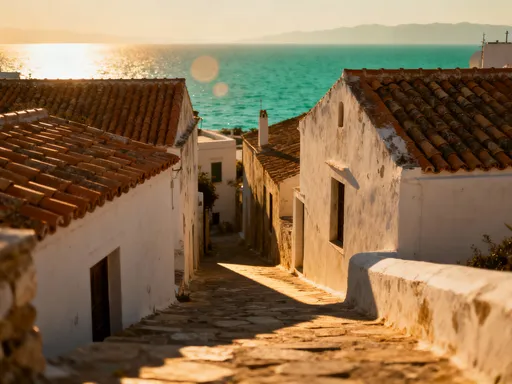
Kangaroo Island, located off the coast of South Australia, is a place of rugged beauty and remarkable self-reliance. Separated from the mainland by the Backstairs Passage, its geographic isolation has shaped nearly every aspect of life—including how people eat. With limited access to outside supply chains, the island has cultivated a food culture rooted in resilience, sustainability, and an intimate connection to the land. What arrives on the plate here often begins just meters away from where it’s served, grown, harvested, or caught. This farm-to-table reality isn’t a marketing gimmick; it’s a necessity born of necessity.
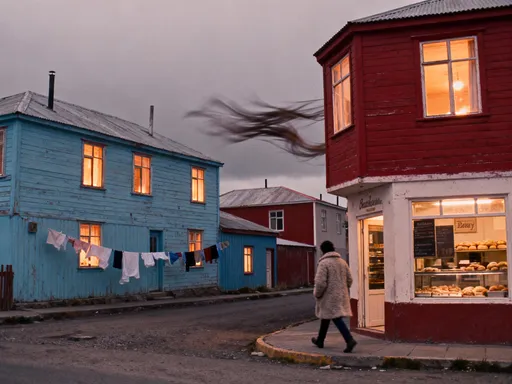
As visitors step off the ferry in Penneshaw or touch down at the small regional airport, one of the first things they notice is the quiet charm of the local cafes. Weatherboard buildings with wide verandas host signs advertising homemade pies, fresh coffee, and daily specials written on chalkboards. There’s a warmth to these spaces, a sense of community and authenticity that feels inviting. Yet beneath this appealing surface lies a more complex truth: not every charming facade delivers on flavor. Some establishments rely heavily on their picturesque settings and loyal tourist traffic, serving reheated meals or imported ingredients passed off as local.
The contrast becomes clear when comparing inland villages like Parndana or American River with busier coastal zones near Flinders Chase National Park. In quieter towns, meals tend to reflect actual island life—simple, seasonal, and prepared with care. Near major attractions, however, prices inflate and menus become standardized, offering familiar dishes like burgers, fish and chips, or generic pasta that could be found anywhere. These spots cater to convenience rather than culinary discovery. The result? A dining landscape where the most photogenic restaurants aren’t always the most satisfying.
Understanding this duality is key for travelers who want to eat well. The island’s food culture thrives not in polished dining rooms but in backyards, roadside sheds, and family kitchens where tradition meets innovation. To experience the best of Kangaroo Island’s cuisine, one must look beyond the obvious and embrace a slower, more intentional way of eating—one that values provenance over presentation and freshness over fanfare.
The Real Stars: Iconic Local Ingredients You Can’t Miss
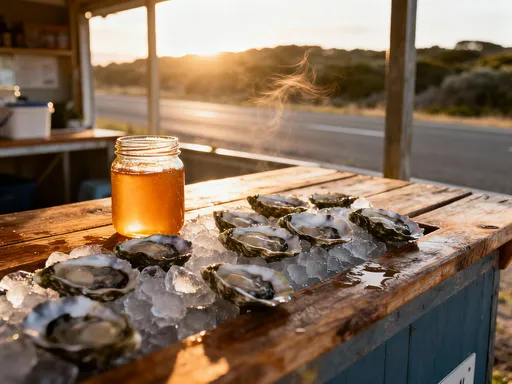
If there’s one ingredient that defines Kangaroo Island’s culinary identity, it’s Ligurian honey. These golden-hued jars found in farm stalls and gourmet shops aren’t just sweeteners—they represent a living piece of global beekeeping history. The island is home to the world’s only pure-bred population of Ligurian bees, a rare strain originally brought from Italy in the 1880s. Protected by strict quarantine laws, these bees produce honey with a delicate floral aroma and a smooth, complex finish unlike any mass-produced alternative. Tasting it straight from the comb during a guided farm visit reveals layers of eucalyptus, wildflowers, and subtle spice notes—a true sensory journey rooted in generations of stewardship.
Equally impressive is the island’s seafood, much of which is pulled from pristine waters just hours before serving. Oysters from Hog Bay and Eastern Cove are particularly renowned, prized for their briny crispness and clean finish. Grown in nutrient-rich tidal flats with minimal human interference, they’re often shucked to order at local eateries or served at weekend markets with nothing more than a squeeze of lemon. Equally worthy of attention are the island’s southern bluefin tuna and rock lobster (commonly called crayfish in Australia). Sustainably caught using line-and-pole methods, these proteins retain a firm texture and rich flavor that reflect the health of the surrounding marine ecosystem.
On land, artisanal producers have turned small-scale farming into an art form. Cheese makers craft creamy brie, tangy chèvre, and aged pecorino using milk from grass-fed goats and sheep raised in open pastures. Olive groves flourish in the Mediterranean-like climate, producing extra virgin oils with grassy, peppery notes perfect for drizzling over fresh bread or roasted vegetables. While the island’s wine production remains modest, several boutique vineyards grow varietals such as vermentino and shiraz that pair beautifully with local dishes. Not every bottle will rival Barossa Valley classics, but those made with attention to terroir offer a genuine taste of place.
What sets these ingredients apart is not just quality but traceability. On Kangaroo Island, you can often meet the person who harvested your honey, caught your fish, or pressed your olives. This transparency fosters trust and deepens the dining experience. When selecting what to try, prioritize items labeled with specific origins—such as ‘Hog Bay oysters’ or ‘Lathami olive oil’—rather than generic ‘local seafood’ claims. The details matter, and they often signal authenticity.
Hidden Gems: Off-the-Beaten-Path Eateries with Authentic Flavor
Some of the most memorable meals on Kangaroo Island aren’t served in restaurants at all. They happen at unmarked roadside stalls where a handwritten sign reads “Fresh Eggs & Honey – $10” and a metal lockbox sits beside a basket of jars. These informal setups are part of the island’s soul—a culture of honesty, self-service, and quiet pride in craftsmanship. Travelers willing to venture beyond main roads discover a network of micro-producers offering tastings, tours, and direct sales that bypass commercial markup entirely. It’s here, far from crowded viewpoints, that the true spirit of island hospitality unfolds.
One such gem is a family-run dairy farm near Dudley Peninsula, where visitors can sample goat cheeses aged in cave-like cellars and purchase wheels wrapped in wax for the road. Another is a citrus orchard in Stokes Bay, where seasonal mandarins and blood oranges are sold by the crate from a repurposed shipping container adorned with fairy lights. These experiences aren’t staged for Instagram; they’re part of daily life. Conversations flow easily, recipes are shared freely, and the pace slows to match the rhythm of nature. The food tastes better because it’s connected to a story, a face, a patch of soil nurtured with care.
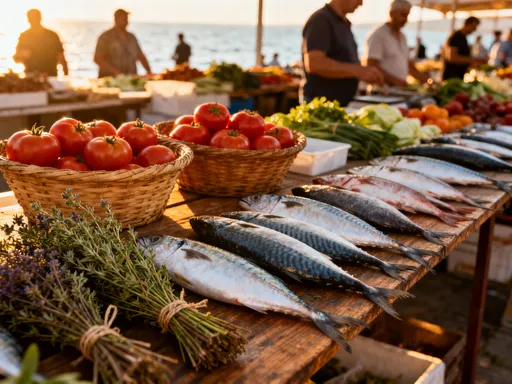
Community markets also play a vital role in the island’s food ecosystem. Held weekly in towns like Kingscote and Penneshaw, these gatherings bring together bakers, fishermen, beekeepers, and gardeners who sell directly to locals and informed visitors. Unlike tourist-oriented gift shops, these markets emphasize seasonality and scarcity—once the oysters are gone, they’re gone until next week. Shopping here means embracing spontaneity and flexibility. You might miss out on a jar of rare leatherwood honey, but you’ll likely stumble upon something equally special: perhaps a batch of lemon myrtle damper bread or smoked tuna pâté made in someone’s kitchen.
Seasonal food festivals amplify this sense of connection. Events like the Kangaroo Island Seafood and Wine Festival or the Winter Wool and Food Fair celebrate regional abundance through live cooking demonstrations, tastings, and farm tours. These gatherings attract island residents first and tourists second, ensuring the focus remains on tradition rather than performance. Attending one offers insight into how food functions as both sustenance and social glue—something that can’t be replicated in a commercialized dining setting.
Tourist Traps: Overhyped Spots That Disappoint More Than Delight
For every authentic food experience on Kangaroo Island, there’s a counterpart designed more for profit than pleasure. These are the restaurants positioned near Flinders Chase, Remarkable Rocks, and Admirals Arch—scenic hotspots that draw large numbers of day-trippers. While convenient, many of these eateries operate on a high-volume, low-effort model. Menus are broad and generic, featuring items like chicken parmesan, kids’ nuggets, and pre-frozen garlic bread that require minimal preparation. Ingredients are often sourced off-island, undermining claims of local authenticity. Prices, meanwhile, reflect captive demand: $25 for a basic sandwich, $18 for a side of fries.
Another red flag is branding over substance. Some cafes invest heavily in rustic-chic aesthetics—exposed timber beams, mason jar drinks, curated playlists—while cutting corners in the kitchen. Their social media presence may dazzle, but the food rarely lives up to the visuals. A smoothie bowl topped with imported granola and frozen berries, for example, tells a different story than the ‘island-fresh’ narrative promoted online. Similarly, wine lists may boast ‘local’ labels, but closer inspection reveals that the grapes were grown on the mainland and merely bottled on the island for marketing appeal.
One of the most common pitfalls is the illusion of locality. A menu might advertise “Kangaroo Island seafood platter” without specifying species or origin. In reality, some of that seafood may come from Tasmania or even overseas, shipped in bulk and defrosted before service. Without transparency, diners have no way to verify claims. The same applies to produce: a salad labeled “garden-fresh greens” might contain lettuce flown in from the mainland due to seasonal shortages. These practices aren’t illegal, but they do mislead travelers seeking genuine regional flavors.
To avoid disappointment, exercise skepticism. Ask questions about sourcing. Look for menus that name specific producers or fisheries. Pay attention to portion sizes and cooking techniques—slow-roasted meats, house-made sauces, and visible prep areas suggest greater care. And remember: the busiest spot isn’t always the best. Sometimes the empty bench outside a quiet bakery holds more promise than the crowded patio of a branded café.
Smart Dining Strategies: How to Eat Well Without Wasting Money
Eating well on Kangaroo Island doesn’t require a luxury budget—it requires planning. One of the most effective strategies is building meals around farmers’ markets and self-catering options. Most accommodations, even mid-range cottages and B&Bs, come equipped with kitchens or kitchenettes. By purchasing fresh ingredients at local markets, travelers can assemble high-quality meals at a fraction of restaurant prices. Imagine a lunch of freshly shucked oysters, crusty bread, local cheese, and a crisp white wine enjoyed at a scenic picnic table overlooking the sea—affordable, authentic, and deeply satisfying.
Timing also plays a crucial role. Popular spots, especially those near major attractions, tend to surge in price and crowd levels between 12:00 PM and 2:00 PM. Visiting just before opening or after peak hours not only reduces wait times but may also lead to specials or leftover fresh items sold at a discount. Some bakeries, for instance, offer “bargain bins” late in the day featuring still-delicious pastries at reduced rates. Similarly, arriving early at a seafood stall increases the chances of getting the day’s first catch, often displayed proudly with origin details.
Combining food stops with other activities maximizes value. Instead of treating dining as a separate event, integrate it into your exploration. Plan a scenic coastal drive that ends at a working honey farm with a tasting session. Schedule a morning hike in Kelly Hill Conservation Park followed by lunch at a nearby farm gate stall. These pairings transform meals into experiences, enriching both your palate and your understanding of the landscape. They also encourage mindful consumption—when food is tied to place and effort, it’s harder to waste or take for granted.
Finally, consider bringing reusable containers and coolers. This allows you to buy larger quantities of perishable goods—like cheese, meat, or seafood—at lower per-unit costs and store them safely. It also supports sustainability, reducing reliance on single-use packaging common in takeaway outlets. With a little foresight, even a short stay can become a curated culinary journey rather than a series of transactional meals.
Behind the Plate: Meeting the Producers Who Fuel the Island’s Cuisine
To truly appreciate Kangaroo Island’s food, one must meet the people behind it. These are not celebrity chefs with Michelin stars but farmers, fishers, and artisans whose livelihoods depend on the health of the land and sea. A visit to a working honey farm reveals the meticulous care involved in maintaining the Ligurian bee population—hive inspections, pollen tracking, and seasonal hive movements to optimize nectar flow. Guides explain how climate change and bushfires have impacted production, adding context to the value of each jar. Tasting sessions here feel educational, even reverent, as visitors learn to distinguish between spring wildflower honey and autumn tea tree varieties.
Seafood operations tell a similar story of stewardship. Sustainable fishing ventures emphasize low-impact methods, such as hand-line catching and selective netting, to protect marine biodiversity. Tours often include demonstrations of how fish are bled and iced immediately after capture to preserve freshness—a practice that makes a noticeable difference in flavor and texture. Some operators invite guests to participate in controlled catches, offering a hands-on understanding of the effort required to bring seafood to the table. These experiences foster respect, transforming a simple meal into a tribute to skill and sustainability.
Conversations with local chefs further illuminate the island’s culinary philosophy. Many have chosen to relocate here not for fame but for proximity to ingredients. They speak passionately about building relationships with farmers, adjusting menus weekly based on availability, and rejecting industrial supply chains. One chef in Kingscote described her menu as “a reflection of the island’s heartbeat”—changing with the seasons, honoring abundance, and minimizing waste. Her kitchen composts scraps, cures surplus fish, and pickles excess vegetables, embodying a circular approach to cooking that resonates deeply with environmentally conscious travelers.
These encounters remind us that food is more than fuel. It’s a story of resilience, adaptation, and community. By connecting with producers, visitors gain insight into the challenges and triumphs of island life. They leave not just with full stomachs but with a deeper appreciation for the work embedded in every bite.
Putting It All Together: Crafting Your Perfect Kangaroo Island Food Journey
Imagine a single day that captures the essence of Kangaroo Island’s culinary soul. You begin at sunrise with coffee and a warm almond croissant from a small bakery in Penneshaw, where the owner remembers your name from yesterday’s visit. By mid-morning, you’re touring a honey farm, sampling golden varieties while learning about bee conservation. Lunch is a DIY affair: oysters from a dockside stall, crusty bread, and a bottle of local vermentino enjoyed at a cliffside lookout. In the afternoon, you stop at a goat cheese farm for a tasting, then pick up fresh eggs and tomatoes at a roadside stand. Dinner is a simply grilled line-caught tuna steak, seasoned with native herbs, cooked in your cottage kitchen, paired with a salad of just-picked greens.
This kind of itinerary balances variety, location, and budget while prioritizing authenticity. It avoids the rush of crowded restaurants and the disappointment of overpriced mediocrity. More importantly, it turns eating into an act of engagement—each meal linked to a place, a person, a process. Mindful food choices enhance the overall travel experience, deepening your connection to the island and its rhythms.
Kangaroo Island doesn’t offer flashy gourmet temples or celebrity chef restaurants. Its magic lies in simplicity, integrity, and the quiet pride of those who grow, catch, and prepare its food. By choosing wisely—savoring the exceptional, skipping the superficial—you transform a good trip into a great one. So come with curiosity, come with questions, and come with an open mind. And when you bite into that perfect oyster or spoon up that floral honey, know that you’re tasting something real: the heart of an island, served on a plate.