Lost in the Rhythm of Panama City’s Soul
Ever wondered what it feels like to step into a living, breathing culture? I did—until I landed in Panama City and got swept up in its vibrant traditions, from drumbeats echoing through colonial alleys to handmade molas telling ancient stories. This isn’t just sightseeing; it’s soul-deep connection. Let me take you where guidebooks don’t—into the heart of real moments that define this city’s cultural pulse. Here, modernity dances with history, flavors carry memory, and every interaction holds meaning. Panama City doesn’t perform culture—it lives it, breathes it, shares it. And for those willing to listen, watch, and participate with respect, the rewards are profound.
First Impressions: When Modern Skyscrapers Meet Colonial Echoes
Panama City greets visitors with a striking duality—towering glass skyscrapers rise dramatically beside the pastel-hued colonial buildings of Casco Viejo, creating a skyline unlike any other in Latin America. This contrast is not accidental; it reflects the nation’s identity as a bridge—geographically between continents, historically between eras, and culturally between worlds. The financial district, home to some of the tallest buildings in the region, stands as a testament to Panama’s economic growth and global connectivity. Yet just minutes away, cobblestone streets whisper centuries-old stories, where the air carries the scent of jasmine and freshly baked bread.
The harmony between old and new is most evident in areas like Plaza de la Independencia, once the site of Panama’s declaration of independence from Spain in 1821. Today, families gather here on weekends, children chase pigeons under the shade of ceiba trees, and tourists pause to photograph the ornate façade of the Metropolitan Cathedral. Look beyond the square, and the Pacific Ocean glistens in the distance, framed by sleek towers that sparkle at sunset. This juxtaposition invites reflection: progress need not erase heritage. Instead, Panama City demonstrates how preservation and innovation can coexist, each enhancing the other.
Walking through the city offers a sensory education. In the morning, the hum of business fills the financial district—men and women in crisp suits stride past banks and international firms. By afternoon, the rhythm shifts as you enter Casco Viejo, where the pace slows and life unfolds in courtyards and open-air cafes. The bells of La Merced Church chime softly, while live music drifts from hidden patios. It’s in these transitions that Panama City reveals its depth: a metropolis that honors its roots while confidently stepping into the future.
Casco Viejo: Where Culture Comes Alive in Every Alley
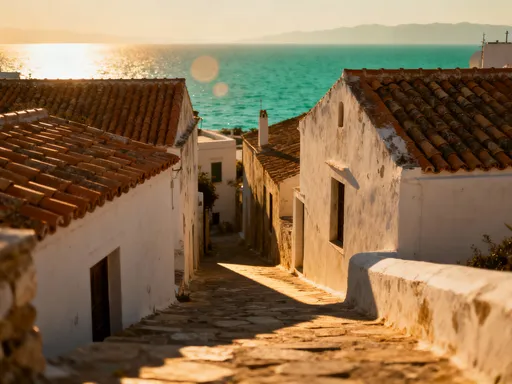
If Panama City has a soul, it resides in Casco Viejo—the historic district perched on a peninsula overlooking the Pacific. Once neglected and on the brink of decay, this 17th-century neighborhood was revitalized and designated a UNESCO World Heritage Site in 2003. Today, it thrives as a living museum, where restoration meets daily life. Residents hang laundry from wrought-iron balconies, shopkeepers sweep their doorsteps at dawn, and artists open their studios to curious passersby. Unlike preserved districts frozen in time, Casco Viejo pulses with authenticity, offering travelers an intimate window into Panamanian life.
Every alley tells a story. On Calle de la Iglesia, the scent of coffee mingles with the sound of live son music drifting from a courtyard bar. Nearby, a small gallery displays paintings by local artists inspired by Afro-Caribbean folklore. On weekends, the central plazas transform into impromptu stages for dancers and drummers who keep traditional rhythms alive. The influence of Afro-Panamanian culture is especially strong here, evident in the vibrant street art, the call-and-response chants during festivals, and the presence of community-led cultural groups dedicated to passing down ancestral knowledge.
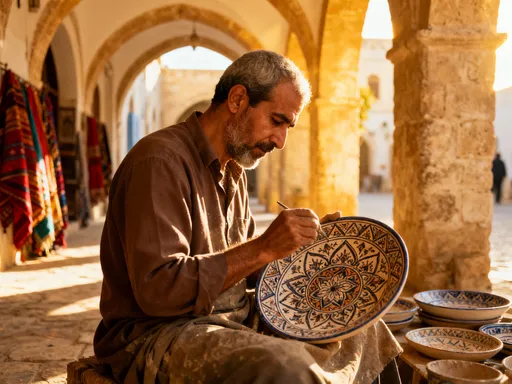
Artisan markets dot the neighborhood, offering handmade jewelry, woven baskets, and embroidered textiles. These are not mass-produced souvenirs but pieces crafted with intention, often by cooperatives of women supporting their families. Visitors who take the time to speak with artisans learn about the symbolism behind their work—the spiral patterns representing life’s journey, or the colors reflecting the natural landscape. These interactions go beyond commerce; they foster connection, allowing travelers to carry home not just objects, but stories.
Evening in Casco Viejo is magical. As the sun dips below the ocean, string lights flicker on above rooftop restaurants. Couples dine on fresh ceviche and plantain chips while listening to jazz ensembles or folk musicians. The atmosphere is relaxed yet electric—a place where locals and visitors mingle effortlessly. To walk through Casco Viejo at dusk is to witness culture in motion: not staged for tourists, but lived with pride and joy.
Dancing to the Drums: Experiencing Traditional Panamanian Music
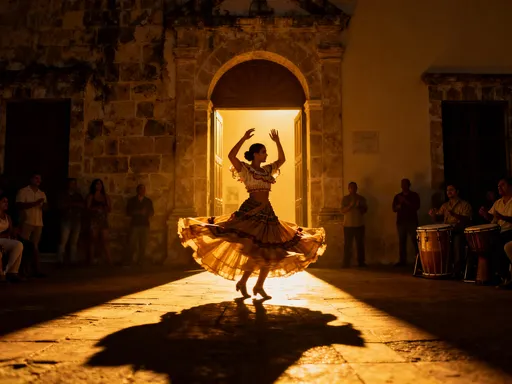
Music is the heartbeat of Panama, and nowhere is this more evident than in the spontaneous dance circles that form in plazas and backyards across the city. The national dance, tamborito, is a powerful expression of cultural fusion—born from the interplay of Indigenous, African, and Spanish traditions. Its rhythm is driven by hand-played drums, with women in polleras forming a circle while men play percussion and sing call-and-response verses. To witness a tamborito is to feel history in motion, each step echoing generations of resilience, celebration, and community.
Travelers lucky enough to be invited into these gatherings quickly realize that observation alone is not enough. Participation is expected—and welcomed. An elder might gently guide your hands into the proper clapping pattern, or a young girl may pull you into the circle with a smile. There’s no pressure to master the steps; what matters is presence, respect, and willingness to engage. In these moments, language barriers dissolve, and connection happens through rhythm, eye contact, and shared joy.
Beyond tamborito, Panama’s musical landscape is rich and varied. Cumbia, with its infectious beat, is danced at festivals and family gatherings alike. Punto, a more refined genre, features poetic lyrics often sung in traditional dress during formal events. In neighborhoods with strong Afro-Caribbean roots, you’ll hear soca, reggae, and mento rhythms, especially during Carnival season. These sounds are not confined to concert halls; they spill into the streets, played from open windows and car radios, forming the soundtrack of everyday life.
For those seeking a deeper understanding, several cultural centers in Casco Viejo offer workshops in traditional music and dance. These programs, often led by master musicians, provide historical context and technical instruction. You’ll learn how the drums are made, the significance of certain rhythms, and the role music plays in rites of passage—from weddings to harvest celebrations. More than entertainment, these traditions are acts of cultural preservation, ensuring that younger generations inherit the sounds that define their identity.
Crafted with Meaning: The Art of Molas and Polleras
In Panama, textiles are far more than decorative objects—they are visual narratives, encoded with symbolism and passed down through generations. Two of the most iconic expressions of this tradition are the mola and the pollera. The mola, created primarily by the Guna people of the San Blas Islands, is a reverse-appliqué textile featuring intricate layers of colored fabric cut and stitched to form complex geometric or naturalistic designs. Each mola tells a story—of creation myths, marine life, or spiritual beliefs—and no two are exactly alike.
Visitors can meet Guna artisans at markets in Panama City or during cultural fairs, where women sit patiently at their sewing frames, working for hours on a single piece. These textiles are not made for tourist consumption alone; they are worn daily as part of traditional dress and carry deep cultural significance. When purchasing a mola, it’s important to do so through ethical channels—direct from the artist or reputable cooperatives that ensure fair wages and respect for intellectual property. This way, your purchase supports cultural continuity rather than exploitation.
Equally striking is the pollera, Panama’s national dress, worn proudly during festivals and national holidays. Made from fine white linen or cotton, the pollera is hand-embroidered with floral and vine motifs, often taking months to complete. Matching accessories include gold jewelry called “tembleques,” intricately beaded hairpieces that shimmer with every movement. While the full ensemble can be costly and time-intensive to produce, many families view it as a treasured heirloom, passed from mother to daughter.
Seeing a woman in full pollera during a festival is a breathtaking experience—the fabric sways with grace, the embroidery catching the sunlight, the wearer radiating dignity and pride. These garments are not costumes; they are declarations of identity and heritage. Travelers are often invited to admire them up close, and some cultural events even offer short workshops on embroidery techniques. By engaging with these crafts respectfully, visitors gain insight into the values of patience, artistry, and intergenerational care that underpin Panamanian culture.
Taste as Tradition: Flavors That Tell a Story
To understand a culture, one must taste it. In Panama City, food is more than sustenance—it’s a celebration of history, geography, and family. The national dish, sancocho, is a hearty chicken stew simmered with root vegetables, plantains, and culantro, a herb similar to cilantro but with a deeper, earthier flavor. Often served at family gatherings, sancocho represents warmth, nourishment, and continuity. To share a bowl with a local family is to be welcomed into their home and heart.
The ingredients in Panamanian cuisine reflect the country’s diverse ecosystems and cultural influences. Plantains, a staple, are used in both sweet and savory dishes—from fried tostones to sweet maduros. Yuca (cassava) appears in soups, fritters, and even desserts. Seafood is abundant along the coast, with ceviche made from fresh snapper or shrimp marinated in lime juice, onions, and peppers. In the highlands, dishes incorporate corn and potatoes, showing the influence of Indigenous agricultural practices.
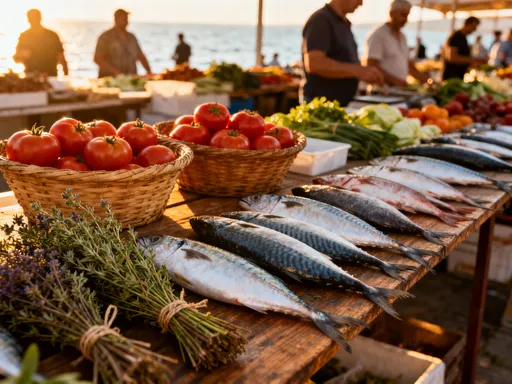
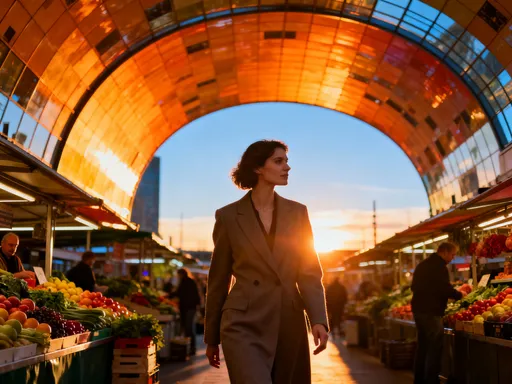
One of the best places to explore these flavors is at a feria, or open-air market. Here, vendors display pyramids of tropical fruits—mangoes, papayas, guanábanas—alongside baskets of herbs and handmade cheeses. The smell of frying hojaldas—crispy, flaky pastries dusted with sugar—fills the air, drawing in customers from all walks of life. Elders bargain gently, mothers carry sleeping babies, and tourists sample unfamiliar fruits with curiosity. These markets are more than commercial spaces; they are social hubs where culture is exchanged as freely as goods.
Cooking classes have become a popular way for visitors to deepen their culinary understanding. Led by local chefs or home cooks, these sessions often begin with a market tour, followed by hands-on preparation of traditional dishes. You’ll learn how to grind spices in a mortar and pestle, roll empanadas, and balance the flavors of a proper salsa. More than just recipes, these classes offer stories—of childhood memories, regional variations, and the role of food in celebrations. By the end, you’re not just eating a meal; you’re savoring a piece of someone’s life.
Festivals That Unite: Joining the Celebration
Timing a visit to Panama City around a festival transforms travel from observation to immersion. While Carnival is celebrated across Latin America, Panama’s version—particularly in the interior provinces like Las Tablas—stands out for its authenticity and community focus. Unlike the commercialized parades of Rio, here the festivities are rooted in local traditions, with comparsas (dance groups) rehearsing for months and entire towns coming together to celebrate. Music, dance, and elaborate costumes take center stage, and visitors are often invited to join in, whether by dancing in the street or helping decorate floats.
Another highlight is the Fiesta de la Pollera, held annually in various towns across the country. This celebration honors Panama’s national dress and the craftsmanship behind it. Women and girls wear their finest polleras, some valued at thousands of dollars due to the hours of handwork involved. Parades feature folk music, traditional dances, and even competitions for the most beautifully embroidered piece. The event is not just about fashion; it’s a reaffirmation of cultural pride and a way to pass traditions to younger generations.
Religious festivals also play a significant role. Semana Santa (Holy Week) brings solemn processions in some towns, while others celebrate with reenactments and community meals. In Panama City, the Feast of Corpus Christi includes the creation of alfombras—colorful sawdust carpets laid in church courtyards, depicting religious and cultural symbols. These temporary artworks are walked over during processions, symbolizing the fleeting nature of life and beauty.
What makes these festivals so powerful is their participatory nature. Visitors are not spectators behind barriers but welcomed participants. A child might hand you a maraca to shake during a dance, or a local might invite you to their home for a post-parade meal. These moments of inclusion are fleeting but profound, reminding us that culture is not something to be consumed, but shared.
Traveling with Purpose: How to Engage Without Exploiting
Authentic cultural exchange requires more than curiosity—it demands mindfulness and respect. In a world where tourism can sometimes lead to commodification, Panama City offers a model for responsible engagement. The key lies in approaching traditions not as performances, but as lived experiences. This means asking permission before taking photographs, especially during sacred or private moments. It means listening more than speaking, observing before participating, and recognizing that some rituals are not meant for outsiders to replicate.
Supporting local economies is another crucial aspect of ethical travel. Instead of buying souvenirs from large gift shops, seek out cooperatives and artisan markets where proceeds go directly to creators. When dining, choose family-run restaurants or street vendors over international chains. These choices may seem small, but collectively, they make a significant difference in sustaining local livelihoods and preserving cultural integrity.
Education plays a vital role as well. Many cultural centers and museums in Panama City offer exhibits on Indigenous communities, Afro-Panamanian history, and traditional crafts. Taking the time to learn about the context behind what you’re seeing fosters deeper appreciation and reduces the risk of misinterpretation. For example, understanding that a mola is not just a decorative piece but a sacred expression of Guna cosmology encourages more respectful interaction.
Finally, the most meaningful travel leaves a reciprocal impact. This doesn’t require grand gestures—sometimes it’s as simple as writing a thank-you note to a host family, sharing photos with artisans, or recommending a small business to fellow travelers. When you travel with humility and heart, you don’t just take memories home—you leave behind goodwill, connection, and the quiet promise to return with even greater understanding.
Beyond Sightseeing—Travel That Transforms
Panama City offers more than landmarks and photo opportunities—it offers transformation. When you move beyond the surface, when you allow yourself to be guided by local rhythms, flavors, and stories, travel becomes something deeper. It becomes a dialogue. You stop being a visitor and start becoming a participant, even if only for a moment. The drumbeats of tamborito, the threads of a mola, the warmth of a shared meal—these are not just experiences, but invitations.
In a world that often feels fragmented, Panama City reminds us of the power of connection. It shows that culture is not static, not something locked in a museum, but alive, evolving, and generously shared. It teaches that the richest journeys are not measured in miles, but in moments of mutual recognition—when a stranger smiles as you fumble a dance step, when an elder nods in approval as you pronounce a word correctly, when you realize that despite differences in language or origin, joy, pride, and belonging are universal.
So let this city inspire you. Let its colonial alleys and modern towers, its music and markets, its artisans and families, remind you that travel at its best is not about escape, but about engagement. It’s about opening your heart, respecting traditions, and carrying forward the stories that matter. Panama City doesn’t just welcome you—it changes you. And in that change, there is growth, understanding, and the quiet, lasting rhythm of human connection.