You Won’t Believe How Calm This Desert City Feels – I’m Still Speechless
Kuwait City isn’t the destination most people picture when they think of slow travel, but that’s exactly why it surprised me. Moving at a gentle pace through its seaside corniche, quiet souqs, and modern art spaces, I discovered a rhythm few expect in the Gulf. It’s not about ticking off landmarks—it’s about feeling the warmth of sunlit stone, watching dhow boats drift at dusk, and sipping cardamom coffee as time slows down. This is travel with soul.
Reimagining Kuwait City: Beyond the Expected
Kuwait City is often reduced to a single narrative—wealthy, modern, fast-paced, shaped by oil and commerce. Skyscrapers rise like glass sentinels along the coast, luxury cars glide down wide boulevards, and the skyline pulses with ambition. Yet beneath this surface lies a quieter reality, one that unfolds only when approached with patience and presence. This is a city that rewards slowness, where the rhythm of life is not dictated by urgency but by tradition, community, and the natural cadence of the sea. Far from the crowded tourist hubs of other Gulf capitals, Kuwait City remains refreshingly unpolished, unscripted, and deeply human.
What makes this city ideal for slow travel is its lack of overt commercialization. There are no endless queues for photo ops or theme-park-style cultural experiences. Instead, daily life plays out in open view—fishermen mending nets at dawn, families strolling after sunset, elders sharing stories in shaded courtyards. The pace is unhurried, the interactions genuine. Visitors who come expecting only glittering malls and futuristic towers may leave surprised, even moved, by the warmth and authenticity they encounter. It is not a city that shouts; it whispers, and those who listen closely are rewarded.
Slow travel here is not just a choice—it feels like a necessity. Rushing through Kuwait City would mean missing its essence. The beauty lies in lingering: in watching sunlight ripple across the water, in tracing the patterns of wind-sculpted sand on ancient stone, in allowing a simple cup of coffee to become a moment of connection. This is a destination where the journey inward is as important as the path taken.
The Corniche: Where the City Breathes
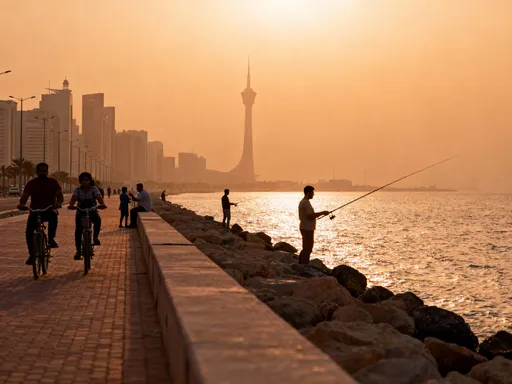
One of the most peaceful ways to begin a day in Kuwait City is with a walk along the Corniche, a sweeping waterfront promenade that stretches for miles along the Arabian Gulf. As dawn breaks, the air carries a soft coolness, the sky painted in pale pinks and golds. The sea glimmers under the early light, and the distant silhouette of Failaka Island emerges like a dream on the horizon. Families arrive on bicycles, children laughing as they pedal ahead, while elderly couples walk arm in arm, savoring the quiet before the heat of the day sets in.
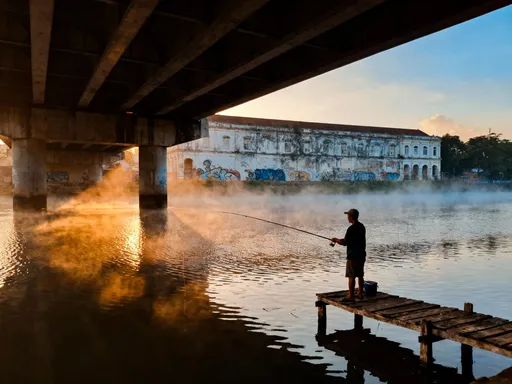
The Corniche is more than a scenic path—it is the city’s lung, a place where life unfolds in real time. Fishermen line the breakwaters, casting their lines with practiced ease, their rods propped on rusted stands. Some return with modest catches, others with nothing at all, yet all seem content simply to be present. Nearby, young men fly kites shaped like falcons, their silhouettes dancing against the morning sky. The call to prayer drifts from a nearby mosque, its melody weaving through the breeze, a reminder of the spiritual undercurrent that flows beneath daily life.
Walking slowly along this stretch reveals details often missed in haste: the intricate carvings on a bench, the way sunlight dances on the waves, the quiet exchange between two friends reuniting after weeks apart. There are no grand performances here, no staged attractions—just the simple, unfiltered poetry of ordinary moments. The Liberation Tower stands tall in the distance, a symbol of national pride, but it is the human scale of the Corniche that leaves the deepest impression. This is where Kuwait City breathes, and where visitors can learn to breathe with it.
Souq Serenity: Finding Rhythm in the Old Markets
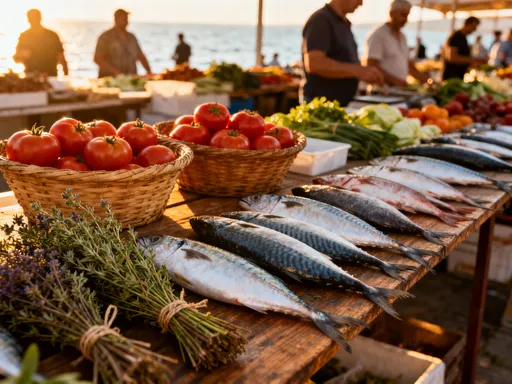
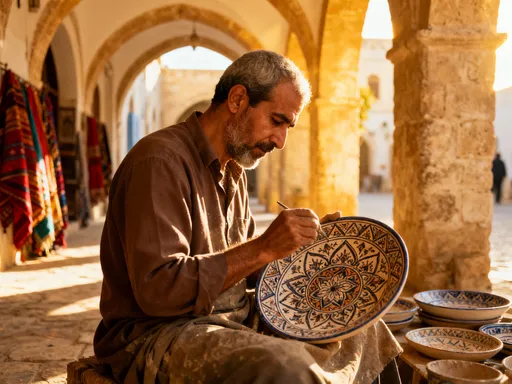
A short distance from the modern skyline lies another world entirely—the traditional souqs of Kuwait City, where time moves differently. The Iran Souq, in particular, offers a sensory journey unlike any other. Narrow alleys wind beneath shaded canopies, the air rich with the scent of saffron, dried limes, and freshly ground cardamom. Bolts of silk and cotton hang like banners, their colors vibrant against the muted stone. Vendors sit patiently behind their stalls, not pushing sales but inviting conversation, offering cups of sweet tea as if welcoming old friends.
What sets this experience apart is the absence of pressure. Bargaining happens gently, almost ceremonially, with smiles and laughter more common than tension. A woman might spend twenty minutes examining a single piece of embroidered fabric, not out of indecision, but out of respect for the craft. A shopkeeper shares stories of his family’s trade, passed down through generations, while arranging spices in neat rows. These interactions are not transactions—they are exchanges of trust, dignity, and shared humanity.
Taking time in the souq allows travelers to see beyond the goods for sale and into the lives behind them. In the old merchant quarters of Kuwait City, traditional courtyard houses with wind towers stand as quiet testaments to a past shaped by trade, resilience, and ingenuity. Some have been restored, others still bear the marks of time, yet all speak of a culture that values patience and craftsmanship. To walk slowly through these markets is to step into a rhythm that resists the speed of modern life—a rhythm that reminds us that some things cannot be rushed, and should not be.
Architecture and Calm: A City of Contrasts
Kuwait City’s architecture tells a story of balance—between tradition and innovation, grandeur and serenity. In neighborhoods like Sharq and Dasman, sleek glass towers rise beside buildings adorned with intricate Islamic geometric patterns and shaded courtyards. The city does not erase its past to make way for the future; instead, it weaves the two together in a way that feels harmonious rather than jarring. Wide streets, open plazas, and carefully planned green spaces contribute to a sense of calm, making the city feel spacious rather than overwhelming.
One of the most striking examples of this balance is the Peace Tower, a modern minaret designed to symbolize unity and hope. Unlike many monumental structures, it does not dominate the skyline aggressively. Instead, it stands with quiet dignity, its reflective surface mirroring the sky and sea. Nearby, the National Assembly building blends classical Islamic arches with contemporary materials, its vast courtyard open to the public. These spaces are not closed off or heavily guarded; they invite contemplation, offering benches and shaded walkways for those who wish to pause and reflect.
The city’s layout itself encourages slow exploration. Unlike dense urban centers where every inch is built upon, Kuwait City allows room to breathe. Sidewalks are wide, intersections are uncluttered, and there are frequent pockets of stillness—small parks, quiet plazas, shaded alcoves—where one can simply sit and observe. Even in the busiest districts, there is a sense of order and calm, a feeling that life here is lived with intention rather than chaos. This architectural philosophy mirrors the city’s deeper character: modern, yes, but never at the expense of peace.
Island Escape: A Day at Failaka Island
No visit to Kuwait City is complete without a journey to Failaka Island, a place where time seems to pause. The ferry ride itself is part of the experience—thirty minutes across calm waters, with nothing but the sound of the engine and the occasional cry of a seabird. As the island comes into view, the skyline of Kuwait City recedes, replaced by low dunes, scattered ruins, and the occasional palm grove. There are no high-rise hotels, no crowded beaches, no souvenir stalls. Instead, there is space, silence, and the slow rhythm of island life.
Failaka has been inhabited for thousands of years, first by Mesopotamians, then by Greeks following Alexander the Great’s campaigns, and later by Bedouin and pearl-diving communities. Today, its archaeological sites are open to visitors, but without the crowds or commercialization found at more famous ruins. Walking among the remains of Hellenistic temples and ancient wells, one feels a deep connection to the past—not through plaques or audio guides, but through the quiet presence of history itself. The stones are warm underfoot, the wind carries whispers of forgotten languages, and the sea remains a constant witness.
Art lovers will appreciate the island’s growing reputation as a haven for creative expression. Local artists have installed sculptures and installations in unexpected places—a steel bird perched on a rock, a mosaic embedded in the sand, a poem etched into a stone wall. These works do not shout for attention; they blend into the landscape, inviting discovery. Visitors are free to wander, to sit by the water, to read, or simply to be still. There are no schedules, no expectations—only the freedom to move at one’s own pace. In a world that rarely allows for true disconnection, Failaka offers a rare gift: the chance to slow down, to listen, and to remember what stillness feels like.
Green Oases: Parks and Hidden Gardens
In a desert climate, green spaces are not just a luxury—they are a lifeline. Kuwait City understands this deeply, and in recent years has invested in creating parks and gardens that serve as sanctuaries from the heat and bustle. Al Shaheed Park, one of the largest and most beautifully designed, is a masterpiece of urban planning. Its sweeping lawns, shaded walkways, and reflective pools create a sense of coolness even on the warmest days. Fountains play softly in the background, and the rustle of palm fronds provides a natural soundtrack.
What makes Al Shaheed Park special is its balance of grandeur and intimacy. While it hosts large events and public gatherings, it also offers countless quiet corners—benches beneath flowering trees, secluded seating areas, reading nooks tucked between hedges. Families picnic on blankets, children chase bubbles, and elderly couples sit together, sipping tea from thermoses. The park is alive, but never loud. It is a place where joy and peace coexist.
Equally enchanting are the smaller, lesser-known green spaces, such as the gardens surrounding the Tareq Rajab Museum. Nestled in a quiet neighborhood, this private garden is a hidden gem—filled with native plants, fragrant herbs, and birdsong. Visitors are welcome to sit and read, sketch, or simply close their eyes and listen. The museum itself, dedicated to Islamic art and heritage, enhances the sense of calm, with its serene galleries and handcrafted artifacts. These spaces remind us that beauty does not require scale—sometimes, the most profound moments of peace come in the smallest, most unexpected places.
Local Life, Slow Moments: Coffee, Conversation, and Quiet
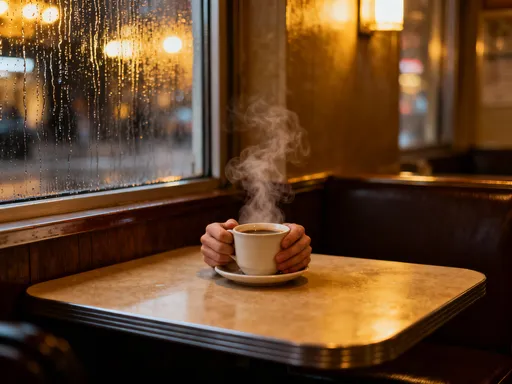
The true heart of Kuwait City beats in its everyday moments—in the sidewalk cafes where men gather in the late afternoon, in the quiet exchanges at neighborhood bakeries, in the shared smiles between strangers. One of the simplest yet most meaningful experiences is sitting with locals over gahwa, the traditional cardamom-scented coffee served in small cups. It is never rushed. The pot is refilled, stories are shared, time stretches. There is no need to speak Arabic fluently to feel included; hospitality here is expressed through presence, not words.
Shop owners, especially in the older districts, often invite visitors to sit and talk, offering dates and tea without expectation of a purchase. A tailor might show photographs of his children, a spice vendor might explain the uses of za’atar and sumac, a bookseller might recommend a volume on Kuwaiti poetry. These conversations are not performances for tourists—they are genuine expressions of openness and generosity. They happen because the pace of life allows for them, because people are not too busy to notice one another.
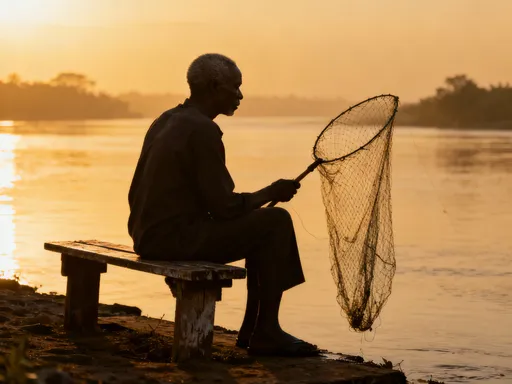
Even the act of observing becomes meaningful. Watching a fisherman untangle his net, a mother calling her child home for dinner, a group of friends playing backgammon under a shaded awning—these scenes are not curated for visitors. They are real, unscripted, and deeply moving. In slowing down, one begins to see not just a city, but a community. And in that seeing, a connection forms—not loud or dramatic, but quiet, lasting, and true.
Conclusion: Why Slow Travel in Kuwait City Matters
Kuwait City challenges expectations. It does not offer the dramatic landscapes of mountain ranges or the bustling energy of ancient capitals. Instead, it offers something rarer: stillness in a world that rarely allows it. Its beauty is not in spectacle, but in subtlety—in the way sunlight falls on a courtyard wall, in the sound of waves against the Corniche, in the warmth of a shared cup of coffee. This is a city that asks only that you slow down, pay attention, and be present.
Slow travel here is not just a way to see a destination—it is a way to understand it. It allows space for reflection, for connection, for the kind of quiet joy that comes from simply being. In a region often viewed through the lens of politics or economics, Kuwait City reminds us that humanity thrives in the everyday, in the moments between the headlines. It invites travelers to look beyond stereotypes, to shed assumptions, and to discover the peace that exists even in unexpected places.
So if you find yourself drawn to this desert city, resist the urge to rush. Let your footsteps slow. Let your breath deepen. Let the rhythm of Kuwait City find its way into your bones. Because sometimes, the most powerful journeys are not the ones that take us far, but the ones that bring us back—to stillness, to presence, to the quiet truth that the loudest beauty is the one you hear only when you stop to listen.