Perth’s Cultural Heartbeat: A Local’s Immersive Journey Through Art and Soul
You know that feeling when a city starts to whisper its secrets? That’s Perth. Beyond the sun-kissed beaches and golden sunsets, there’s a rhythm here—alive in laneway murals, echoing in Aboriginal storytelling, and glowing in intimate galleries. I didn’t just visit Perth’s cultural spaces—I stepped inside them. From hidden studios to must-see institutions, this is an immersive dive into the soul of Western Australia’s most underrated capital. It’s not about ticking off landmarks; it’s about letting the city’s spirit seep into your bones, one conversation, one performance, one brushstroke at a time.
The Pulse of Place: Why Culture Defines Perth
Perth’s cultural identity is shaped by its unique position—both geographically and historically. Isolated from Australia’s eastern capitals by vast stretches of desert, the city has developed a creative spirit that is self-assured, independent, and deeply rooted in place. This isn’t a satellite of Sydney or Melbourne; it’s a cultural hub with its own rhythm, one that pulses to the beat of Noongar traditions, maritime history, and a frontier-town resilience. The isolation that once made Perth feel remote has now become a source of strength, allowing its artists and storytellers to craft a narrative that is unapologetically local.
At the heart of this identity is the enduring presence of the Noongar people, the traditional custodians of the land on which Perth stands. Their 60,000-year-old connection to this region infuses the city’s cultural fabric with depth and continuity. Noongar seasons, language, and art are increasingly visible in public spaces, not as relics of the past but as living elements of contemporary life. Cultural institutions now recognize the importance of collaboration, ensuring that Indigenous voices are not just included but centered. This shift reflects a broader understanding: culture in Perth is not something to be passively observed—it’s a dialogue, a shared experience that invites participation and respect.
What sets Perth apart from other cities is how seamlessly culture integrates into daily life. It’s not confined to grand institutions or weekend events; it spills into laneways, cafes, and community centers. Public art trails like the Perth Cultural Centre’s outdoor installations invite spontaneous encounters with creativity. Festivals such as the annual Perth Festival transform the city into a living stage, where locals and visitors alike gather under the stars to experience music, theater, and dance. These moments are not just entertainment—they are expressions of collective identity, opportunities to connect across generations and backgrounds.
For travelers, this means that understanding Perth requires more than sightseeing. It demands immersion. It means stepping into a gallery not just to view a painting, but to listen to the artist’s story. It means joining a guided walk through Kings Park not only to see native flora but to hear the Noongar names for the plants and the stories they carry. Culture here is not a backdrop; it’s the lens through which the city reveals itself. And when you engage with it meaningfully, you don’t just learn about Perth—you begin to feel at home within it.
Art That Speaks: Discovering Perth’s Galleries and Street Murals
Perth’s visual art scene is both vibrant and accessible, offering a dynamic blend of institutional excellence and grassroots creativity. At the center of this landscape stands the Art Gallery of Western Australia, located in the Perth Cultural Centre. This institution serves as a gateway to the state’s artistic heritage, housing an extensive collection that spans colonial-era paintings, modernist experiments, and contemporary Indigenous works. What makes the gallery particularly compelling is its commitment to showcasing Western Australian artists—not just as regional figures, but as vital contributors to the national and global art conversation.
One of the gallery’s most powerful exhibitions features the work of Noongar artist Reko Rennie, whose large-scale pieces combine traditional tribal patterns with urban graffiti aesthetics. His use of pink camouflage—a recurring motif—challenges viewers to reconsider how identity, resistance, and visibility intersect in modern Australia. The gallery also hosts rotating exhibitions that highlight emerging talent, often in collaboration with local universities and artist collectives. These partnerships ensure that the space remains fresh, responsive, and deeply connected to the community it serves.
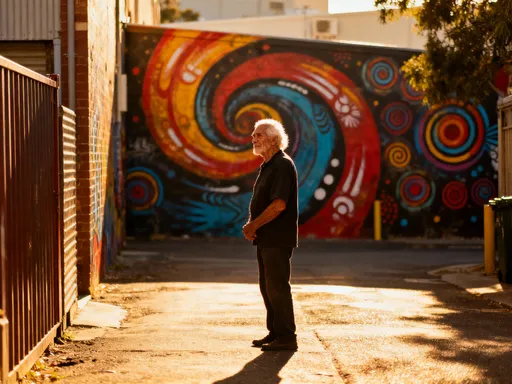
Yet Perth’s art scene extends far beyond the museum walls. The city’s laneways are open-air galleries, where murals transform blank walls into vibrant narratives. Northbridge, in particular, has become a canvas for local and international street artists. The area around James Street and Lake Street pulses with color, each mural telling a story—some political, some whimsical, all deeply expressive. These works are not static; they evolve over time, with new pieces layered over old ones, reflecting the city’s ever-changing cultural dialogue.
The Fringe World Festival, held annually from January to February, amplifies this energy. While best known for its eclectic performances, the festival also commissions large-scale public art installations throughout the city. From illuminated sculptures in the Supreme Court Gardens to interactive soundscapes in Yagan Square, these works invite passersby to pause, engage, and reflect. What makes these experiences so impactful is their accessibility—they don’t require a ticket or a formal setting. Art in Perth is democratic, meant to be encountered in the flow of daily life, not locked behind velvet ropes.
Subiaco, another cultural hotspot, offers a more intimate experience. Small galleries like the Subiaco Arts Centre showcase local painters, photographers, and mixed-media artists, often with a focus on storytelling and personal identity. These spaces host regular artist talks and workshops, creating opportunities for visitors to connect directly with creators. In these settings, art becomes a conversation—a way of sharing experiences, asking questions, and building empathy. Whether in a grand institution or a tucked-away studio, Perth’s visual art scene thrives on connection, reminding us that creativity is not just about beauty, but about meaning.
Voices of the Land: Engaging with Noongar Culture
To truly understand Perth, one must listen to the Noongar people, whose presence predates the city by millennia. Their culture is not a chapter in a history book—it is a living, breathing force that continues to shape the land, language, and spirit of this region. For travelers seeking authentic connection, engaging with Noongar culture is not just enriching—it’s essential. The key lies in doing so with respect, humility, and a willingness to learn.
One of the most meaningful ways to begin this journey is through guided cultural walks. Organizations such as Kaartdijin Noongar and Indigenous Heritage Tours offer immersive experiences in places like Kings Park and Bold Park. These walks are led by Noongar elders and knowledge holders who share stories about bush medicine, traditional hunting practices, and the significance of local landmarks. As you walk, you learn the Noongar names for plants and animals—such as *karda* (quokka) and *boodjar* (land)—and hear Dreamtime stories that explain the creation of the landscape. These experiences are not performances; they are acts of cultural transmission, offered with generosity and care.
The WA Museum Boola Bardip, which opened in 2020, represents a transformative step in how Noongar culture is presented to the public. The museum’s name means “many stories” in Noongar language, and its design reflects a commitment to collaborative storytelling. Permanent exhibits feature Noongar artifacts, oral histories, and multimedia installations, all developed in partnership with community elders. One powerful exhibit, *Nyungar Boodjar*, uses augmented reality to overlay historical landscapes onto the present-day city, allowing visitors to see how the land has changed over time. This approach doesn’t just educate—it fosters a deeper emotional connection to place.
During the Perth Festival, Noongar voices take center stage in performances that blend traditional song, dance, and contemporary theater. Events like *Yirra Yaakin* productions offer non-Indigenous audiences a rare opportunity to witness cultural expression on Noongar terms. These performances are not tourist spectacles; they are acts of cultural pride and resilience. Attending them is a privilege, and audiences are often reminded to listen with respect, refraining from photography or interruption.
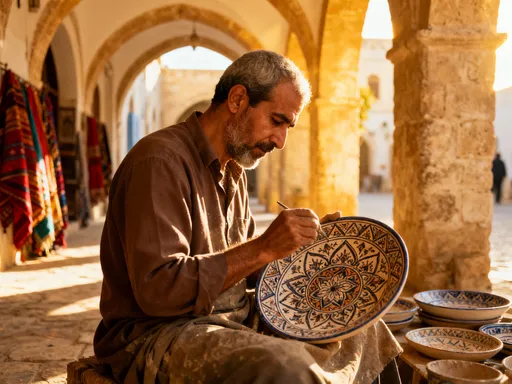
Supporting Noongar artists and enterprises is another way to engage meaningfully. Markets such as the First Nations Market at Elizabeth Quay feature handmade crafts, jewelry, and textiles that carry cultural significance. Purchasing these items directly supports local families and helps sustain traditional practices. Similarly, dining at Indigenous-owned cafes or attending cultural workshops—such as boomerang painting or bush tucker tastings—allows for deeper connection. These experiences are not about appropriation; they are about appreciation, built on mutual respect and shared humanity.
Stages and Stories: The Living Theatre of Perth
Perth’s performing arts scene thrives on intimacy and authenticity. Unlike larger cities where theater can feel distant or commercialized, here, the stage often feels like an extension of the living room—a space where stories are shared, not performed. At the heart of this tradition is the Black Swan State Theatre Company, Western Australia’s flagship theater organization. Based at the State Theatre Centre of Western Australia, Black Swan produces works that reflect the region’s unique character, from adaptations of Australian literature to original plays exploring local history and identity.
What distinguishes Black Swan is its commitment to Western Australian stories. A recent production, *The Drover’s Wife*, reimagined Leah Purcell’s powerful narrative with a distinctly WA setting, drawing on the isolation and resilience of outback life. The staging was minimal, allowing the actors’ performances to take center stage. This stripped-down aesthetic—common in Perth’s theater scene—creates a sense of immediacy, as if the audience is not just watching a play, but witnessing a real conversation.
Beyond the mainstage, Perth’s smaller venues pulse with creative energy. The Ellington Jazz Club in Northbridge hosts nightly performances, from swing bands to solo pianists, in a cozy, dimly lit setting that feels timeless. The Bird in Hand, a converted pub in the Perth Cultural Centre, offers open mic nights where poets, musicians, and comedians test new material. These spaces are not about perfection; they’re about risk, honesty, and connection. It’s not uncommon for performers to pause mid-set to chat with the audience, turning the evening into a shared experience.
The Perth Festival also plays a crucial role in shaping the city’s performing arts calendar. Each year, it brings international acts to local stages while amplifying homegrown talent. Outdoor performances in Kings Park or the Supreme Court Gardens draw thousands, creating a communal atmosphere under the stars. One memorable event featured a site-specific dance performance along the Swan River, where movement and water merged in a silent, poetic dialogue. These moments remind us that theater doesn’t need walls—it can happen anywhere, as long as there are stories to tell.
For travelers, attending a live performance in Perth is more than entertainment—it’s a window into the city’s soul. The themes explored on stage—belonging, identity, resilience—mirror the broader cultural conversations happening across the community. And because the venues are small, the connection between performer and audience is palpable. You’re not just watching a story; you’re part of it. In a world increasingly dominated by screens and digital noise, these live, unfiltered moments feel rare and precious.
Creative Neighborhoods: Where Culture Comes Alive
In Perth, culture isn’t something you visit—it’s something you walk into, stumble upon, and live alongside. Nowhere is this more evident than in the city’s creative neighborhoods, where art, design, and daily life intertwine. Fremantle, often called “Freo,” is perhaps the most iconic of these districts. With its cobblestone streets, convict-built prison, and bustling fishing harbor, Freo exudes a bohemian charm that has attracted artists, musicians, and free thinkers for generations. The Fremantle Markets, operating since 1897, are a cultural institution in their own right, offering handmade crafts, local food, and live music every weekend.
But Freo is more than a tourist destination. It’s a living community where creativity is part of the rhythm of life. Small galleries line the side streets, often doubling as studios where visitors can watch artists at work. The Fremantle Arts Centre, housed in a former asylum, hosts exhibitions, concerts, and workshops that draw both locals and travelers. Its courtyard, shaded by fig trees, is a favorite spot for afternoon tea and quiet reflection. Here, culture isn’t scheduled—it unfolds naturally, in the laughter from a street performer, the scent of fresh paint from an open studio, the rhythm of a busker’s guitar.
Leederville, another cultural hotspot, offers a more contemporary vibe. Once an industrial suburb, it has transformed into a hub for designers, architects, and boutique makers. Loft-style studios showcase everything from handmade ceramics to sustainable fashion. The area’s laneways are dotted with coffee roasters and wine bars, creating a cosmopolitan yet relaxed atmosphere. Events like the annual Open Studios WA invite the public to explore these creative spaces, meet the makers, and even try their hand at a craft workshop. This emphasis on participation—on doing, not just seeing—defines Perth’s cultural philosophy.
East Perth, too, has undergone a renaissance. Formerly underutilized, the area now hosts cultural institutions like the WA Museum Boola Bardip and Yagan Square, a vibrant public space that celebrates Noongar culture through art, design, and digital storytelling. The Marmion Street precinct has become a destination for food lovers, with restaurants emphasizing native ingredients and sustainable practices. Walking through these neighborhoods, you sense a city that values creativity not as a luxury, but as a necessity—a vital thread in the fabric of everyday life.
Moments Over Monuments: Designing an Immersive Cultural Itinerary
For travelers seeking depth over dazzle, Perth offers a different kind of itinerary—one built not around monuments, but around moments. The most meaningful cultural journeys here are not rushed; they unfold slowly, allowing space for surprise, connection, and reflection. A well-designed itinerary doesn’t aim to see everything—it aims to experience a few things deeply.
Begin with the Perth Cultural Centre, but don’t stop at the galleries. Time your visit to coincide with a public talk, a live sketching session, or a lunchtime concert. These smaller events often reveal more about the city’s creative spirit than any exhibition. From there, wander into Northbridge, but not as a tourist—go as a curious neighbor. Stop to talk to a muralist, ask about the story behind a painting, or join a guided street art tour. These conversations transform passive viewing into active engagement.
Incorporate hands-on experiences whenever possible. Sign up for a Noongar weaving workshop, try your hand at printmaking at a community studio, or take a guided bush tucker walk. These activities aren’t just fun—they’re acts of cultural exchange, fostering understanding and respect. Similarly, choose cultural dining experiences, such as a dinner featuring native ingredients like wattleseed, lemon myrtle, or kangaroo, prepared by chefs who collaborate with Indigenous suppliers.
Attend a performance, but not just any performance—one that feels intimate, authentic, and local. Whether it’s a small theater production, a jazz set in a basement club, or an open mic night in a neighborhood pub, these events offer a raw, unfiltered glimpse into Perth’s creative heart. And when you listen to the stories being told, ask yourself: What do they reveal about this place? About its people? About their hopes and struggles?
The goal is not to check off a list, but to let the city leave its mark on you. Slow down. Stay longer in one place. Return to a favorite gallery or park. Let familiarity deepen your understanding. In doing so, you move beyond tourism and into connection.
Beyond the Tourist Trail: Sustaining Cultural Connection
Immersive cultural travel doesn’t end when the trip does. The true measure of a journey is not how many photos you take, but how much you carry forward. In Perth, the lessons are clear: culture is not a product to be consumed, but a relationship to be nurtured. It grows through listening, supporting, and remembering.
Travelers can sustain their connection by continuing to support Noongar artists, whether through online purchases, sharing their work, or advocating for Indigenous representation. They can bring Perth’s creative spirit into their own communities by hosting conversations, sharing stories, or exploring local art scenes with fresh eyes. And they can practice ethical tourism—respecting sacred sites, avoiding exploitative experiences, and choosing businesses that prioritize sustainability and community benefit.
Perth teaches us that culture is not something distant or elite. It is lived, shared, and constantly evolving. It is found in a mural, a song, a story told under the stars. To seek not just sights, but stories, is to open yourself to transformation. And in that openness, you don’t just discover a city—you discover a new way of seeing the world.