Chasing Light and Celebration in Monaco – A Photographer’s Dream Come True
Have you ever seen a city glow with the energy of celebration and the sparkle of the Mediterranean? Monaco isn’t just luxury yachts and grand prix circuits—it’s a living canvas of color, motion, and tradition. I’ve walked its cobbled streets during festival season, camera in hand, heart racing at every unexpected moment. From golden-hour processions to fireworks dancing over the harbor, the principality’s festive soul is unreal. This is where culture meets light—and every frame tells a story.
The Magic of Monaco’s Festive Rhythm
Monaco pulses with a rhythm all its own, shaped by centuries of tradition and a deep reverence for celebration. Unlike manufactured tourist spectacles, the festivals here are rooted in community, identity, and historical continuity. The Monaco Carnival, held each February, transforms the principality into a kaleidoscope of music, dance, and theatrical flair. Originating in the early 20th century, this vibrant event features elaborate parades where costumed performers weave through the streets of Monte Carlo, their movements synchronized to rhythmic drumbeats and brass bands. The air fills with the scent of roasted chestnuts and warm pastries as families gather along the route, children perched on shoulders to catch a glimpse of the giant papier-mâché figures that tower above the crowd.
Equally significant is the Fête du Prince, Monaco’s National Day, celebrated on November 19 in honor of Prince Albert II. The day unfolds with formal ceremonies at the Prince’s Palace, including a Te Deum mass attended by members of the Grimaldi family, followed by public festivities that spill into the streets. The atmosphere is one of dignified joy—flags flutter from balconies, brass bands play patriotic melodies, and fireworks later illuminate the night sky in a dazzling tribute to national pride. What makes this event especially compelling for photographers is the seamless blend of formality and accessibility; while steeped in royal tradition, the celebrations are open and inclusive, allowing visitors to witness history in motion.
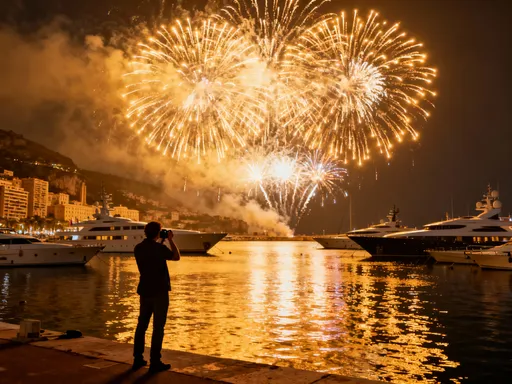
Another crown jewel in Monaco’s cultural calendar is the Monte-Carlo International Fireworks Festival, held each summer along the harbor. For several evenings, teams from around the world compete to create the most breathtaking pyrotechnic displays, each choreographed to music and projected across the darkened waters. The reflections ripple across the surface of the Mediterranean, doubling the visual impact and offering photographers a rare opportunity to capture symmetry, motion, and color in a single frame. These festivals are not merely seasonal attractions—they are expressions of a living culture, where every detail, from costume embroidery to musical selection, is preserved with care and pride.
Why Festivals in Monaco Are a Photographer’s Goldmine
For visual storytellers, Monaco’s festivals offer an unparalleled convergence of elements that define exceptional photography: light, contrast, movement, and emotional resonance. The principality’s compact geography amplifies these qualities, allowing photographers to move seamlessly between scenes without losing momentum. One moment, you might be capturing the golden glow of sunset on the Belle Époque façades of the Casino de Monte-Carlo; the next, you’re immersed in a sea of color as a carnival procession passes beneath the palm-lined avenues.
The interplay between architecture and event is particularly striking. Historic buildings—many dating back to the 19th century—serve as dramatic backdrops for contemporary celebrations. The stone arches and ornate balconies of Monaco-Ville frame parading musicians and dancers, creating natural vignettes that require little compositional adjustment. Meanwhile, the reflective surfaces of the harbor and modern glass-fronted buildings amplify artificial lighting, turning nighttime scenes into radiant tableaus. A single fireworks burst can be mirrored across multiple surfaces, offering layered compositions that emphasize depth and texture.
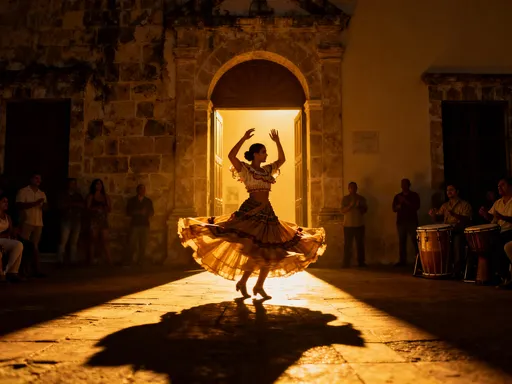
Motion is another defining feature of festival photography in Monaco. Whether it’s the twirl of a dancer’s skirt, the synchronized march of a drumline, or the flicker of candlelight during a twilight procession, these dynamic elements demand technical precision and artistic anticipation. The small scale of the principality ensures that transitions between events are swift and efficient—photographers can shoot a daytime parade in Fontvieille, walk ten minutes to the old town, and capture the evening illumination of the Prince’s Palace—all within a single golden hour. This density of visual opportunity, combined with consistently clear skies and mild temperatures during festival seasons, makes Monaco a uniquely rewarding destination for those who seek to document culture through the lens.
Best Times and Events to Capture Authentic Culture
To truly experience and photograph Monaco’s cultural heartbeat, timing is essential. The principality’s festival calendar is thoughtfully spaced throughout the year, offering distinct visual and atmospheric qualities with each season. The Monaco Carnival, typically held in February, presents a winter celebration unlike any other in the Mediterranean. While much of Europe remains under gray skies, Monaco basks in mild temperatures and intermittent sunshine, creating ideal conditions for outdoor photography. Early mornings during carnival week reveal behind-the-scenes moments—costume fittings in community halls, artisans painting masks, and musicians rehearsing in quiet courtyards. These intimate scenes, often overlooked by casual visitors, provide some of the most authentic and emotionally resonant images.
Spring ushers in a quieter but equally meaningful period. Easter celebrations in Monaco are marked by solemn processions and church services, particularly in the parish of Saint-Charles. While less flamboyant than the carnival, these events offer rich opportunities for capturing expressions of faith, generational continuity, and architectural detail within sacred spaces. The soft light of March and April, with its gentle angles and diffused quality, enhances the textures of stone and fabric, making it an excellent time for close-up and environmental portraiture.
Summer reaches its visual peak with the Monte-Carlo International Fireworks Festival, usually spanning three to four evenings in July. Each performance begins after sunset, allowing photographers to capture the transition from twilight to full darkness—a fleeting window when natural and artificial light coexist in harmony. Arriving early to photograph the setup of barges in the harbor can yield compelling behind-the-scenes content, while post-show moments of quiet reflection among spectators often convey a sense of shared wonder. Autumn brings the Fête du Prince, when the crisp air and clear skies of November enhance visibility and color saturation. The daytime ceremonies offer formal, structured compositions, while evening festivities provide dynamic low-light challenges. For those seeking authenticity beyond the main events, engaging with local residents during preparation phases—such as flower arranging for public displays or setting up market stalls—can lead to candid, unposed moments that reflect the true spirit of Monegasque culture.
Strategic Spotting: Where to Shoot Like a Pro
Success in festival photography often hinges on location strategy. In Monaco, where space is limited and crowds can be dense, selecting the right vantage point in advance is crucial. One of the most iconic spots for capturing fireworks is Port Hercules, the glittering harbor basin surrounded by luxury yachts and illuminated buildings. Standing near the eastern quay provides an unobstructed view of the entire display, with the added benefit of water reflections that double the visual impact. Using a wide-angle lens from this position allows photographers to include both the sky and its mirror image, creating symmetrical compositions that emphasize scale and drama.
For panoramic crowd shots and parade photography, the old town of Monaco-Ville—perched atop the rocky promontory—is unmatched. The narrow streets and elevated walkways offer multiple layers of visual interest. The Place du Palais, facing the Prince’s Palace, is ideal during the Fête du Prince, where formal ceremonies unfold against a backdrop of historic architecture. Arriving at least an hour before the event ensures a favorable position without obstructing official proceedings. Similarly, the staircase leading up to the Cathedral of Our Lady Immaculate provides a natural elevated platform, perfect for capturing processions as they wind through the lower streets.
During the carnival parades, the Boulevard des Moulins serves as a primary route, lined with spectators and flanked by trees that add depth to compositions. Positioning oneself near a curve in the road allows for dynamic shots where the procession stretches into the distance, creating a sense of motion and perspective. For those seeking less crowded alternatives, the Jardins des Boulingrins offer open sightlines and soft ambient lighting, particularly effective during evening events. When photographing in public spaces, it is important to remain mobile, respectful of barriers, and mindful of not impeding pedestrian flow. Utilizing nearby cafes or hotel terraces with public access can also provide discreet, elevated viewpoints—though permission should always be sought when using private property for extended shooting.
Gear and Settings: Capturing Motion and Light
Photographing Monaco’s festivals demands both technical readiness and practical adaptability. Lighting conditions shift rapidly—from bright daylight to deep twilight to near-total darkness—requiring a flexible approach to camera settings and equipment selection. A fast prime lens, such as a 35mm f/1.4 or 50mm f/1.8, is invaluable for low-light scenarios like fireworks displays or candlelit processions. These lenses allow for wider apertures, enabling faster shutter speeds and lower ISO settings, which in turn preserve image clarity and minimize noise.
When photographing motion—whether dancers, marching bands, or floating fireworks barges—shutter speed becomes a critical creative tool. A setting between 1/30 and 1/60 of a second can produce intentional motion blur, conveying the energy and rhythm of a performance. For sharper, freeze-frame images, speeds of 1/250 or higher are recommended, especially in well-lit areas. Continuous shooting mode helps capture split-second expressions and gestures that might otherwise be missed. ISO settings should be adjusted dynamically; while modern cameras perform well at ISO 1600–3200, it is advisable to keep values as low as lighting permits to maintain image fidelity.
Given the amount of walking involved, gear should be lightweight and easily accessible. A mirrorless camera with dual battery grips offers a balance of power and portability. Carrying at least two fully charged spare batteries is essential, as extended shooting sessions drain power quickly, especially when using live view or video. Weather-sealed equipment is recommended, as coastal humidity and occasional sea spray can affect electronics. A compact tripod or monopod is useful for long-exposure fireworks shots, though their use must comply with local event regulations—some venues restrict tripod deployment during crowded events. Finally, storing memory cards in a waterproof case and using a sling-style camera bag ensures both security and comfort throughout the day.
Respecting Culture While Telling Visual Stories
Photography in a culturally rich destination like Monaco carries both privilege and responsibility. While the visual appeal of festivals is undeniable, it is essential to approach subjects with respect and awareness. Many moments—such as religious processions, family gatherings, or private ceremonies—are not public performances but personal expressions of tradition. Photographers should observe first, shoot second, and always be prepared to lower their camera if a situation feels intrusive.
Seeking permission is not always required in public spaces, but it is often appreciated, especially when focusing on individuals for extended periods. A simple smile, nod, or gesture of acknowledgment can go a long way in building trust and ensuring positive interactions. Children, in particular, should be photographed with sensitivity, and parents should be consulted whenever possible. Avoiding zoomed-in, candid shots that capture unguarded emotions—such as grief, fatigue, or discomfort—helps maintain the dignity of the subjects and the integrity of the photographer.
Equally important is the portrayal of culture beyond surface aesthetics. While vibrant costumes and fireworks are visually compelling, they represent only one layer of Monegasque identity. Capturing quieter moments—the hands of an elder adjusting a ceremonial sash, a vendor arranging traditional sweets, or a group of friends sharing a meal—adds depth and authenticity to a photographic narrative. These images reflect continuity, community, and belonging, offering viewers a more complete understanding of the culture being documented. By prioritizing respect over spectacle, photographers contribute to a more ethical and meaningful representation of Monaco’s living traditions.
From Snapshots to Stories: Editing and Sharing with Purpose
The photographic journey does not end when the festival concludes. The post-trip process of curation, editing, and sharing is where individual images are transformed into a cohesive narrative. The first step is selective culling—reviewing hundreds or even thousands of frames to identify those that best convey emotion, composition, and cultural significance. Rather than choosing every technically perfect shot, prioritize images that tell a story: a child’s wonder at seeing fireworks for the first time, the synchronized movement of a dance troupe, or the quiet pride in a craftsman’s hands.
During editing, color grading should reflect the authentic palette of Monaco—deep Mediterranean blues, warm golden hues, and the electric bursts of pyrotechnic reds and greens. Over-processing should be avoided; the goal is enhancement, not transformation. Subtle adjustments to contrast, clarity, and white balance can bring out the natural vibrancy of scenes without distorting reality. Cropping should maintain compositional integrity, preserving context and avoiding the isolation of subjects in ways that misrepresent their environment.
When sharing work—whether through a personal blog, social media, or a photography exhibition—context is key. Captions should provide meaningful information: the name of the festival, the location, the significance of the moment, and, when possible, the names of participants. This not only educates the audience but also honors the people and traditions depicted. Photographers might consider collaborating with cultural organizations or travel publications to ensure their work reaches audiences who value authenticity and respect. By sharing images with intention, photographers become stewards of cultural memory, helping to preserve the fleeting beauty of Monaco’s celebrations for future generations.
Photographing Monaco’s festivals is more than capturing beauty—it’s about preserving the heartbeat of a culture that thrives in celebration. Each click records not just light and motion, but legacy and joy. With the right mindset, timing, and respect, your lens can reveal the soul behind the spectacle. So pack your camera, time your trip, and let Monaco’s magic unfold—frame by unforgettable frame.