Breathe In the Moment: Why Slow Travel in Surabaya Steals Your Heart
You know that feeling when a city surprises you? Surabaya did that to me. I went in chasing landmarks, but stayed for the sunrises over the river, the rhythm of street vendors, and the quiet corners no guidebook mentions. Slowing down here isn’t just travel—it’s transformation. This is where urban energy meets peaceful depth, and every alley whispers stories. Let me show you the Surabaya most tourists miss—the one that reveals itself only when you stop rushing.
The Pulse of Surabaya: More Than Just Indonesia’s Second City
Often overlooked in favor of Jakarta’s skyscrapers or Bali’s beaches, Surabaya stands with quiet confidence as Indonesia’s second-largest city and an underrated gem for thoughtful travelers. Far from being merely a commercial crossroads, it pulses with a cultural heartbeat shaped by centuries of trade, migration, and resilience. Its streets tell layered stories—Dutch colonial facades lean beside vibrant *warung* stalls, modern malls rise near century-old temples, and the scent of jasmine mixes with diesel fumes in the humid air. This juxtaposition is not chaotic; it’s harmonious, a rhythm that invites deeper listening.
What makes Surabaya uniquely suited to slow travel is its balanced tempo. Unlike the relentless pace of Jakarta or the tourist-saturated lanes of Ubud, Surabaya moves with purpose but without urgency. Life unfolds in real time: shopkeepers sweep their storefronts at dawn, students gather under banyan trees with notebooks, and families stroll along pedestrian paths as dusk settles. There’s no pressure to perform or consume—only to be present. This authenticity allows visitors to engage meaningfully rather than observe from a distance.
Moreover, Surabaya’s identity is rooted in pride and perseverance. Known as the City of Heroes for its role in Indonesia’s independence struggle, its spirit is evident in the preserved monuments, the reverence for history, and the warmth of its people. Yet this pride doesn’t come with pretense. Locals are curious but not intrusive, welcoming without expectation. For a traveler seeking connection over convenience, this creates the ideal environment to slow down, listen, and learn. The city doesn’t demand your attention—it earns it, gently, over time.
Why Slow Travel Fits Surabaya Perfectly
Slow travel is more than a trend; it’s a mindset—one that aligns seamlessly with Surabaya’s character. At its core, slow travel emphasizes presence: engaging with a place through observation, conversation, and immersion rather than checklist tourism. It means allowing yourself to linger over a cup of *kopi tubruk*, watching how light shifts across a courtyard, or returning to the same street corner just to see who passes by at different hours. In Surabaya, this approach unlocks dimensions invisible to the hurried visitor.
The city rewards patience. A morning spent near a neighborhood mosque may reveal the soft call to prayer echoing at sunrise, followed by children in school uniforms laughing as they cycle past. At a riverside stall, the vendor might initially seem reserved—until you return the next day, then the next, and eventually receive a warm nod, a shared joke, perhaps even an unsolicited sample of freshly fried *tempe mendoan*. These small moments of human connection are not manufactured for tourists; they grow naturally from consistency and respect.
There’s also beauty in the mundane when seen closely. The way a fruit seller arranges mangoes by shade of yellow, the precision with which a *bakso* vendor ladles broth into bowls, the daily ritual of sweeping leaves from temple steps—these routines form the quiet poetry of Surabaya’s daily life. Rushing through the city means missing these textures, like flipping pages too fast to read the words. But when you slow down, you begin to feel the city’s breath, its cadence, its soul.
Additionally, Surabaya’s scale supports this kind of exploration. It’s large enough to offer diversity—cultural sites, green spaces, markets, heritage districts—but compact enough to navigate on foot or by bicycle. Public transportation is improving, and ride-hailing apps make short trips easy, but the real magic happens when you choose to walk. Each block reveals something unexpected: a mural hidden behind a noodle shop, an elderly man playing a *suling* flute on a park bench, a courtyard garden blooming behind a rusted gate. These discoveries aren’t found on maps—they’re gifts of time and attention.
Hidden Along the Kalimas: Riverside Serenity in the City
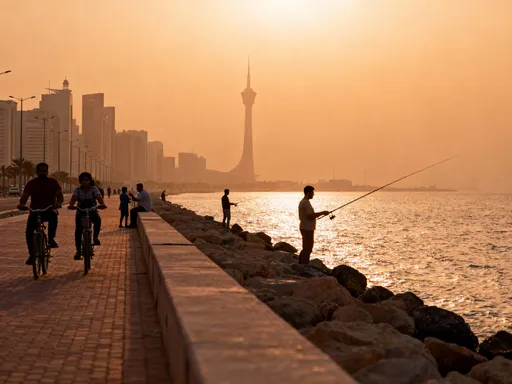
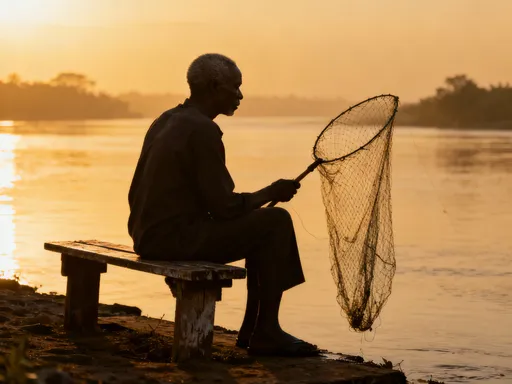
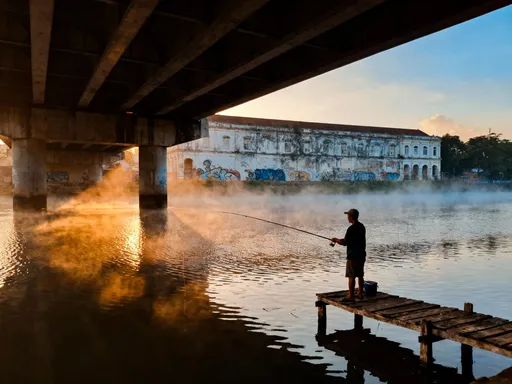
Flowing quietly through the heart of Surabaya, the Kalimas River is both a physical and symbolic thread connecting past and present. Often unnoticed by those focused on shopping centers or high-speed transit, its banks offer some of the city’s most peaceful vantage points. Early in the morning, before the heat rises, the river glimmers under soft light, reflecting the silhouettes of old bridges and creeping vines on colonial walls. Fishermen cast their lines from wooden platforms, their movements slow and practiced, while small motorized boats glide silently downstream, carrying goods or workers to their day’s labor.
Walking along the riverside promenade, especially between Tunjungan and Grahadi, reveals a different side of urban life. Graffiti murals blend with historical markers, telling stories of the city’s evolution in color and text. Benches line the path, occupied by elderly couples sharing breakfast or students reading before class. Occasionally, a group practices traditional dance near a small amphitheater, their movements synchronized with the rhythm of distant gamelan music. There’s no rush here—only the steady pulse of daily life unfolding in real time.
What makes the Kalimas so ideal for slow travel is its ability to ground you. Unlike manicured tourist riversides elsewhere, this one feels lived-in, authentic. You’ll see laundry hanging from riverside homes, children skipping stones, and vendors selling *es tebu* (sugarcane juice) from pushcarts. None of it is staged. The river doesn’t exist for spectacle; it serves the community. And yet, in its simplicity, it offers profound tranquility. Sitting by the water with a notebook or simply closing your eyes to listen—waves lapping, birds calling, voices drifting—becomes a form of meditation.
For those interested in history, the river also passes several heritage buildings, including the old Surabaya Post Office and the Dutch-era water tower near Subulussalam Mosque. These structures stand not as isolated museums but as integrated parts of the cityscape, their weathered bricks whispering tales of a bygone era. Viewing them slowly, without the pressure to photograph and move on, allows space for reflection. You begin to imagine the hands that built them, the lives that unfolded nearby, the changes witnessed over decades. The Kalimas, in this way, becomes more than a waterway—it becomes a timeline, best read at walking pace.
Hari Tua Heritage: Where History Breathes Slowly
Nestled in the northern part of the city, the Hari Tua district—meaning “Old Town”—is a living archive of Surabaya’s colonial past and enduring cultural identity. Here, Dutch-era buildings with wide verandas, arched windows, and red-tiled roofs stand side by side with modest *warungs* and family-run shops. The air carries the scent of aged wood, damp stone, and freshly brewed coffee from heritage cafes. Unlike reconstructed historical zones elsewhere, Hari Tua hasn’t been polished for tourism. It’s lived-in, breathing, evolving—yet deeply respectful of its roots.
Walking through Hari Tua feels like stepping into a paused moment. Shutters creak in the breeze, ivy climbs brick walls, and sunlight filters through canopy trees onto cobblestone paths. One can spend hours exploring without a fixed agenda—sipping *kopi joss* (hot coffee with a shot of charcoal) at a corner stall, browsing antiques in a tucked-away shop, or simply sitting on a bench to watch shadows shift across a 19th-century façade. Time moves differently here. There’s no need to rush; the district reveals itself gradually, like a book read slowly, each chapter savored.
Several restored buildings now house cultural spaces, including the Surabaya Heritage Society’s information center and small galleries showcasing local art and historical photographs. These are not grand institutions but intimate venues where curators greet visitors personally and share stories passed down through generations. One might learn about the building’s original use as a merchant’s office, or hear anecdotes about families who’ve lived in the area for decades. These conversations aren’t scripted—they’re spontaneous, heartfelt, and deeply human.
For the slow traveler, Hari Tua offers a rare opportunity: to experience history not as a display behind glass, but as a living presence. The weight of the past is felt in the coolness of thick stone walls, the echo of footsteps on wooden floors, the quiet dignity of preservation done with care. It’s a reminder that heritage isn’t just about architecture—it’s about continuity, memory, and the quiet pride of a community that values its story. In Hari Tua, history doesn’t shout; it whispers. And only those who pause long enough will hear it.
Markets That Tell Stories: From Pasar Atom to Local Warungs
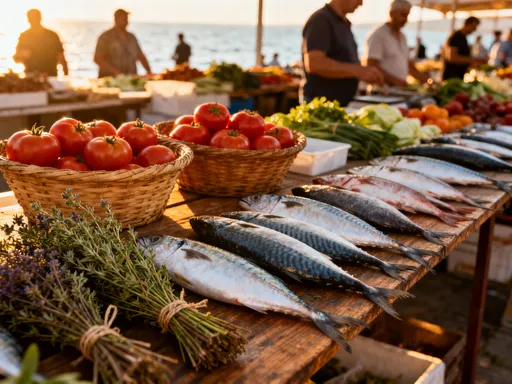
No experience of Surabaya is complete without immersion in its markets—vibrant, sensory-rich spaces where commerce and culture intertwine. Pasar Atom, one of the city’s oldest and most iconic markets, is a labyrinth of stalls selling everything from batik cloth and woven baskets to spices, fresh seafood, and household goods. The moment you step inside, you’re enveloped in a symphony of sounds: vendors calling out prices, the clatter of scales, the sizzle of street food from open grills. Scents layer upon one another—turmeric, chili, jasmine rice, and the faint brininess of dried fish—creating an atmosphere that is both overwhelming and deeply alive.
But the true magic of Pasar Atom unfolds not in the first impression, but in the return visits. When you come back day after day, the vendor who sold you *lontong balap* yesterday greets you by sight. The fabric seller remembers your interest in indigo-dyed cloth and pulls out a new batch just arrived. These small acknowledgments are not transactions—they’re the beginnings of connection. In a world increasingly dominated by digital anonymity, Pasar Atom offers something rare: recognition, continuity, and trust built over time.
Nearby, local *warungs*—family-run eateries tucked into alleys or set up on sidewalks—extend the market experience into the realm of shared meals. Here, food is not fast. A plate of *soto ayam* arrives with care, accompanied by fresh lime, fried shallots, and a warm smile. The owner might sit briefly to ask how you’re liking it, or point you to a better spot for *nasi campur* down the street. Meals stretch into conversations. Time slows. You eat not to refuel, but to connect.
These spaces embody the essence of slow travel: human-centered, unhurried, rooted in place. They remind us that a city’s soul often resides not in its monuments, but in its daily rituals—the way a grandmother folds dumplings, the rhythm of a spice grinder, the laughter between neighbors sharing tea. In Surabaya’s markets and *warungs*, these moments are not hidden; they’re lived openly, inviting participation from those willing to pause, observe, and engage with genuine curiosity.
Green Escapes: Parks and Gardens for Urban Reconnection
Amid the city’s urban fabric, Surabaya’s parks serve as vital oases of calm and community. Taman Bungkul, once a neglected space, has been transformed into one of the city’s most beloved green zones—a place where families gather, students study, and elders practice tai chi at sunrise. Wide lawns, shaded walkways, and bubbling fountains create an atmosphere of gentle activity. Kites dance in the sky on weekends, children chase bubbles, and couples stroll hand in hand. Unlike manicured botanical gardens, Taman Bungkul feels democratic—open to all, enjoyed without pretense.
Equally significant is Taman Lansia, the Elderly Park, designed specifically for senior citizens but welcoming to everyone. Here, mornings begin with group exercises—gentle stretching, rhythmic clapping, and slow-motion movements synchronized to music. The park’s design reflects thoughtful urban planning: shaded benches, smooth pathways, and medicinal plants labeled for education. Yet beyond its function, Taman Lansia offers something deeper: a model of intergenerational respect and mindful living. Young visitors often sit and watch, absorbing the dignity of aging with grace and community.
These green spaces are not merely decorative; they are essential to Surabaya’s livability and to the practice of slow travel. They invite stillness. You can bring a book, sketch in a journal, or simply sit and observe. Watch a grandfather teach his grandson to fly a kite, listen to students debating philosophy under a tree, or notice how light filters through palm fronds at golden hour. In these moments, the city’s noise fades, and a quieter truth emerges: that happiness often lies in simplicity, in presence, in shared space.
For the traveler, spending time in these parks is not passive—it’s participatory. Joining a morning stretch, smiling at a passerby, buying *es doger* from a cart—these small acts create belonging. They dissolve the barrier between visitor and local. And in that dissolution, a deeper connection forms. Surabaya’s parks remind us that rest is not idleness; it’s reconnection. They are spaces where the soul catches up with the body, and where slow travel finds its fullest expression.
Practical Tips for a Meaningful, Unhurried Journey
Embracing slow travel in Surabaya begins with intention. Choose accommodations that anchor you in the community—family-run guesthouses or heritage lodgings in neighborhoods like Darmo or Gubeng, where you can walk to markets, parks, and cafes. Avoid the temptation to over-schedule. Instead, build your days around rhythms, not timetables: morning by the river, midday at a market, afternoon in a park, evening at a local *warung*. Let curiosity guide you, not checklists.
Transportation should support, not speed up, your journey. Walking remains the best way to discover hidden alleys and spontaneous encounters. For longer distances, consider renting a bicycle—Surabaya has expanded its bike lanes in recent years—or using ride-hailing apps for short hops. Public transit, while improving, may require patience; view delays not as frustrations, but as opportunities to observe daily life unfolding around you.
Engage respectfully with local customs. When visiting mosques or temples, dress modestly and remove your shoes. Ask before taking photographs of people. Learn a few phrases in Bahasa Indonesia—simple greetings like *selamat pagi* (good morning) or *terima kasih* (thank you) go a long way in building goodwill. Most importantly, return to the same places. Visit a riverside stall at dawn and again at dusk. Sit in the same park bench for three mornings. You’ll notice subtle shifts—the light, the sounds, the people—and in doing so, deepen your understanding of the city’s soul.
Leave room for spontaneity. Say yes to an invitation for tea, follow a street musician’s sound, accept a recommendation from a vendor. These unplanned moments often become the most memorable. And above all, release the pressure to “see everything.” In Surabaya, less is more. The city reveals itself not in grand gestures, but in quiet details—a smile, a shared silence, a plate of food passed with care. When you travel slowly, you don’t just visit Surabaya. You begin to feel at home within it.
Surabaya rewards those who linger. It doesn’t dazzle all at once—it reveals itself in fragments: a smile from a stranger, steam rising from a street cart, the hush before evening call to prayer. Slow travel here isn’t a trend; it’s the only way to truly see. When you let go of speed, the city opens its heart. And suddenly, you’re not just passing through—you belong, even if just for a moment.